ฝากข้อความ
หากคุณสนใจในผลิตภัณฑ์ของเราและต้องการทราบรายละเอียดเพิ่มเติม โปรดฝากข้อความไว้ที่นี่ เราจะตอบกลับคุณโดยเร็วที่สุด

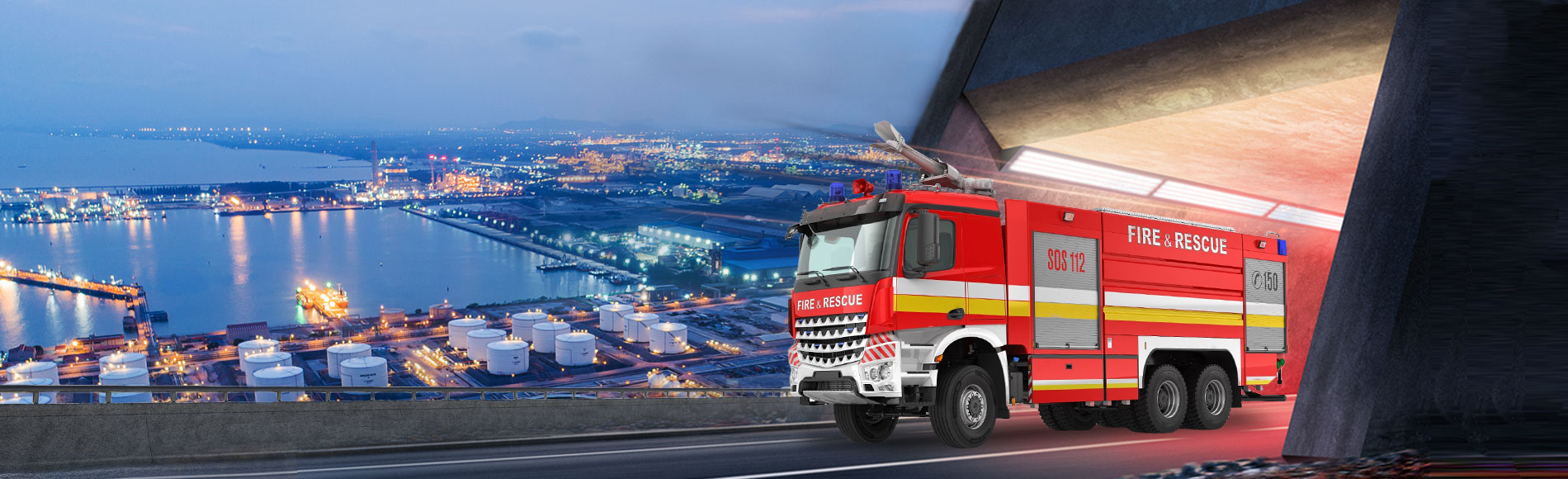
ปั๊มดับเพลิงคือหัวใจของระบบส่งน้ำของรถดับเพลิงทุกคัน ไม่ว่าจะเป็นการตอบสนองต่อเหตุเพลิงไหม้อาคาร เหตุฉุกเฉินในภาคอุตสาหกรรม เหตุการณ์ที่สนามบิน หรือการปฏิบัติการในพื้นที่ป่า ปั๊มดับเพลิงบน รถดับเพลิง มีหน้าที่ส่งน้ำแรงดันสูงไปยังสายฉีดน้ำ หัวฉีดน้ำดับเพลิง และระบบโฟมการออกแบบใบพัดแบบแรงเหวี่ยงและระบบขับเคลื่อนด้วย PTO ช่วยให้มั่นใจได้ถึงแรงดันที่คงที่และอัตราการไหลสูง เพิ่มประสิทธิภาพการดับเพลิงโดยตรงมากกว่า 40% พร้อมลดเวลาตอบสนองลง 3 เท่า สามารถเรียกได้ว่าเป็นผู้พิทักษ์ที่มองไม่เห็นของการปฏิบัติการดับเพลิง และเป็นรากฐานทางเทคนิคของการตอบสนองเหตุฉุกเฉินสมัยใหม่
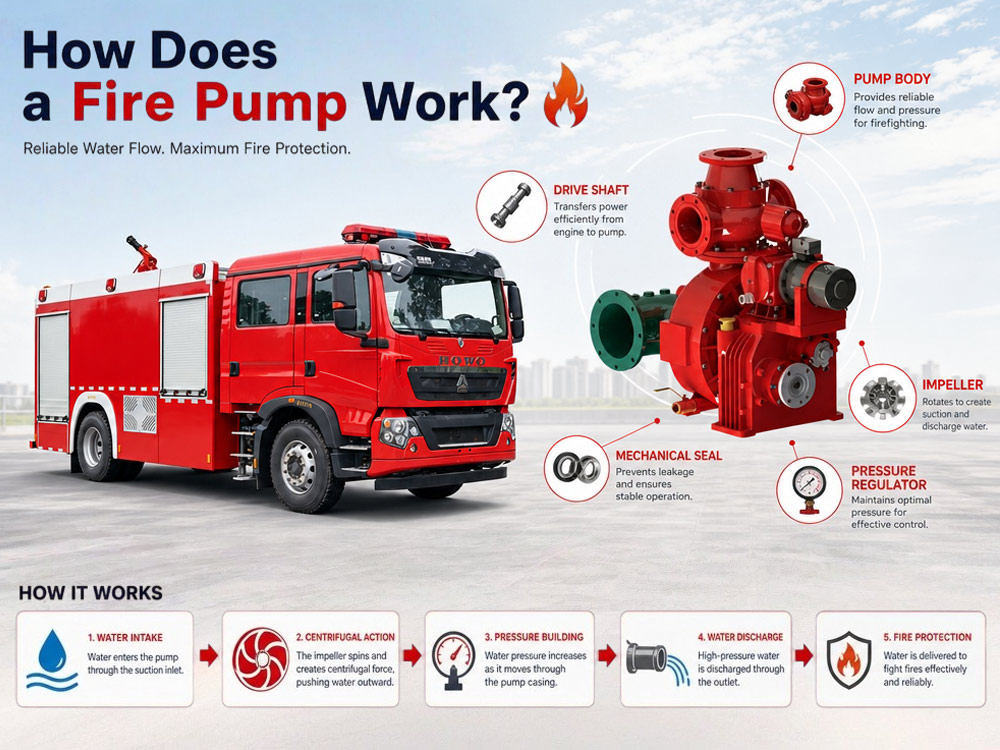
เรียนรู้วิธีการทำงานของปั๊มดับเพลิง รวมถึงหลักการทำงาน ส่วนประกอบหลัก กระบวนการไหลของน้ำ การสร้างแรงดัน และการใช้งาน ค้นพบว่าปั๊มรถดับเพลิงสามารถส่งน้ำที่เชื่อถือได้สำหรับการดับเพลิงได้อย่างไร และวิธีเลือกปั๊มที่เหมาะสมสำหรับรถดับเพลิงของคุณมาเรียนรู้เกี่ยวกับเรื่องนี้กันวันนี้
1. ใบพัด: ส่วนประกอบที่หมุนซึ่งดูดน้ำเข้าและเหวี่ยงน้ำออกด้วยแรงเหวี่ยง โดยทั่วไปผลิตจากบรอนซ์ สเตนเลส หรือเหล็กหล่อ
2. ตัวเรือนปั๊ม: ตัวโครงที่บรรจุใบพัดและควบคุมทิศทางการไหลของน้ำ ออกแบบมาเพื่อเปลี่ยนความเร็วให้เป็นแรงดัน
3. ระบบถ่ายกำลัง (PTO): การเชื่อมต่อทางกลที่ถ่ายโอนกำลังเครื่องยนต์จากระบบส่งกำลังของรถไปยังปั๊มดับเพลิง
1. กำลังถูกส่งผ่านจากเครื่องยนต์ผ่าน PTO
เครื่องยนต์ของรถขับเคลื่อน PTO ซึ่งเชื่อมต่อกับเพลาปั๊ม เมื่อผู้ปฏิบัติงานเปิดใช้งาน PTO กำลังจากเครื่องยนต์จะถูกส่งต่อเพื่อหมุนใบพัดปั๊มด้วยความเร็วสูง
2. ใบพัดเริ่มหมุน
ใบพัดหมุนที่ความเร็ว 1,500–2,500 RPM ดูดน้ำเข้าสู่ปั๊มผ่านช่องดูด ใบพัดที่หมุนสร้างบริเวณแรงดันต่ำที่จุดศูนย์กลาง ทำให้น้ำถูกดูดเข้ามาจากถังน้ำบนรถ หัวจ่ายน้ำดับเพลิง หรือแหล่งน้ำธรรมชาติ
3. แรงเหวี่ยงเพิ่มแรงดันน้ำ
ขณะที่ใบพัดหมุน มันจะเหวี่ยงน้ำออกด้านนอกด้วยแรงเหวี่ยง ความเร็วของน้ำจะเพิ่มขึ้นเมื่อเคลื่อนจากจุดศูนย์กลางไปยังขอบนอกของใบพัด จากนั้นตัวเรือนปั๊มจะเปลี่ยนความเร็วนี้เป็นแรงดัน บังคับให้น้ำแรงดันสูงออกผ่านช่องจ่ายน้ำ
4. น้ำแรงดันสูงออกจากช่องจ่ายน้ำ
น้ำที่มีแรงดัน (โดยทั่วไป 0.8–1.2 MPa) จะออกผ่านช่องจ่ายน้ำและถูกส่งไปยังสายฉีดน้ำดับเพลิง หัวฉีดน้ำดับเพลิง หรือระบบผสมสัดส่วนโฟมสำหรับการปฏิบัติการดับเพลิง
ปั๊มดับเพลิงสามารถดูดน้ำจากสามแหล่ง:
ถังน้ำบนรถ: แหล่งน้ำหลักสำหรับการเข้าควบคุมเหตุระยะแรก ความจุทั่วไป: 2,000–12,000 ลิตร ให้แหล่งน้ำทันทีเมื่อเดินทางถึงที่เกิดเหตุ
หัวจ่ายน้ำดับเพลิง: เชื่อมต่อผ่านสายส่งน้ำ ให้การจ่ายน้ำอย่างต่อเนื่องสำหรับการปฏิบัติการระยะยาว แรงดันจากหัวจ่ายน้ำช่วยให้ปั๊มรักษาอัตราการไหล
แหล่งน้ำธรรมชาติ (การดูดน้ำจากแหล่งน้ำ): ทะเลสาบ แม่น้ำ สระน้ำ หรือสระว่ายน้ำ ปั๊มใช้ระบบไล่อากาศเพื่อกำจัดอากาศออกจากสายดูดก่อนการดูดน้ำ ระยะยกสูงสุดตามทฤษฎีที่ระดับน้ำทะเล: ประมาณ 10 เมตร (33 ฟุต) ความลึกการดูดน้ำที่มีประสิทธิภาพ: โดยทั่วไป 7–8 เมตร
กระบวนการดูดน้ำจากแหล่งน้ำ:
เชื่อมต่อสายดูดน้ำแบบแข็งเข้ากับช่องรับน้ำของปั๊ม
จุ่มตะแกรงกรองให้อยู่ต่ำกว่าผิวน้ำอย่างน้อย 2-3 ฟุต
เปิดใช้งานระบบไล่อากาศเพื่อกำจัดอากาศออกจากสายและปั๊ม
เกิดสุญญากาศ แรงดันบรรยากาศดันน้ำให้ไหลขึ้น
น้ำเติมเข้าสู่ปั๊ม จากนั้นปั๊มแรงเหวี่ยงจะเพิ่มแรงดันให้น้ำ
ช่องดูดน้ำ: จุดที่น้ำเข้าสู่ปั๊ม ขนาดทั่วไป: DN100–DN150 ติดตั้งตะแกรงกรองเพื่อป้องกันสิ่งสกปรกเข้าสู่ระบบ
ช่องทางจ่ายน้ำ:จุดที่น้ำภายใต้แรงดันไหลออก ขนาดทั่วไป: DN65–DN80 (ช่องจ่ายมาตรฐาน) ติดตั้งวาล์วเพื่อควบคุมการไหลไปยังสายส่งน้ำหรือหัวฉีดแบบมอนิเตอร์ ช่องจ่ายหลายช่องช่วยให้ใช้งานพร้อมกันได้
ใบพัด:ส่วนประกอบที่หมุนซึ่งสร้างการไหลของน้ำ เปลี่ยนพลังงานกลเป็นพลังงานจลน์ โดยทั่วไปทำจากบรอนซ์ (ทนต่อการกัดกร่อน), สเตนเลส (ทนทาน ใช้งานได้ยาวนาน) หรือเหล็กหล่อ (คุ้มค่าสำหรับการใช้งานมาตรฐาน)
ตัวเรือนปั๊ม:โครงหุ้มที่ควบคุมทิศทางการไหลของน้ำ ออกแบบเพื่อเปลี่ยนความเร็วให้เป็นแรงดัน การออกแบบทั่วไป ได้แก่ ตัวเรือนแบบโวลูต (รูปทรงเกลียวเพื่อการไหลที่ราบรื่น) และตัวเรือนแบบดิฟฟิวเซอร์ (เพื่อประสิทธิภาพที่สูงขึ้น)
ระบบไพรเมอร์:กำจัดอากาศออกจากปั๊มและสายดูดก่อนการดูดน้ำ ประเภทประกอบด้วย:
ไพรเมอร์แบบสุญญากาศ:การออกแบบแบบใบพัดหมุนหรือแบบลูกสูบ ทำงานรวดเร็วและมีประสิทธิภาพ เป็นแบบที่ใช้กันมากที่สุดในรถดับเพลิงสมัยใหม่
ไพรเมอร์แบบไอเสีย:ใช้อากาศไอเสียจากเครื่องยนต์เพื่อสร้างสุญญากาศ โครงสร้างเรียบง่ายแต่มีประสิทธิภาพน้อยกว่า
ไพรเมอร์ไฟฟ้า:ขับเคลื่อนด้วยมอเตอร์ สามารถสร้างแรงดูดได้โดยไม่ต้องให้ปั๊มหมุน ป้องกันซีลกลจากความเสียหายเนื่องจากการทำงานแบบแห้ง
วาล์วระบายแรงดัน:ป้องกันแรงดันสูงเกิน เปิดเมื่อแรงดันเกินค่าที่กำหนด ปกป้องสายส่งน้ำ ปั๊ม และนักดับเพลิง
ตัวควบคุมแรงดัน:รักษาแรงดันที่ตั้งค่าไว้อัตโนมัติ ปรับรอบเครื่องยนต์เพื่อชดเชยการเปลี่ยนแปลงของอัตราการไหล ลดภาระของผู้ควบคุม มีทั้งโหมดแรงดัน (รักษาแรงดันที่ตั้งไว้ล่วงหน้า) และโหมดรอบต่อนาที (รักษาความเร็วรอบเครื่องยนต์ที่ตั้งไว้ล่วงหน้า)
PTO (ชุดถ่ายทอดกำลัง):จุดเชื่อมต่อระหว่างเครื่องยนต์กับปั๊ม ถ่ายทอดกำลังจากเครื่องยนต์เพื่อขับเคลื่อนปั๊ม รถดับเพลิงโดยทั่วไปใช้ PTO แบบประกบกลาง (ติดตั้งระหว่างเครื่องยนต์และระบบส่งกำลัง) เพื่อให้ส่งกำลังได้เต็มที่
| ประเภทปั๊ม | ข้อดี | การใช้งานทั่วไป |
|---|---|---|
| ปั๊มหอยโข่งแบบขั้นเดียว | อัตราการไหลสูง โครงสร้างเรียบง่าย คุ้มค่า | รถดับเพลิงเทศบาล |
| ปั๊มดับเพลิงแบบสองขั้น | แรงดันสูงกว่า สลับโหมดการทำงานได้ | การดับเพลิงอาคารสูง การวางสายส่งน้ำระยะไกล |
| ปั๊มดับเพลิงแบบติดตั้งกลางตัวรถ | สมดุลดีขึ้น การทำงานเสถียร | รถดับเพลิงมาตรฐาน |
| ปั๊มดับเพลิงแบบติดตั้งด้านท้าย | บำรุงรักษาง่ายกว่า ระบายความร้อนได้ดีกว่า | รถดับเพลิงสนามบินและรถดับเพลิงอุตสาหกรรม |
| รายการเปรียบเทียบ | ปั๊มดับเพลิง | ปั๊มน้ำมาตรฐาน |
|---|---|---|
| แรงดันใช้งาน | สูง (0.8–2.5 MPa) | ต่ำกว่า (0.2–0.6 MPa) |
| อัตราการไหล | สูง (1,200–6,000 ลิตร/นาที) | ปานกลาง (500–2,000 ลิตร/นาที) |
| การทำงานต่อเนื่อง | ใช่ (ออกแบบมาสำหรับการใช้งานเป็นเวลานาน) | ขึ้นอยู่กับรุ่น |
| ขับเคลื่อนด้วย PTO | ใช่ | โดยปกติไม่ใช่ |
| การปฏิบัติตามมาตรฐานการดับเพลิง | ใช่ (ได้รับการรับรอง NFPA, EN, GB) | ไม่ |
| พื้นที่การใช้งาน | การดับเพลิงและกู้ภัย | อุตสาหกรรม เกษตรกรรม ระบบจ่ายน้ำภายในบ้าน |
| การใช้งาน | ปั๊มที่แนะนำ | เหตุผล |
|---|---|---|
| การดับเพลิงในเขตเทศบาล | แบบใบพัดขั้นเดียว (1,200–3,000 ลิตร/นาที) | คุ้มค่าเพียงพอสำหรับเหตุเพลิงไหม้ส่วนใหญ่ |
| อาคารสูง | แบบสองขั้น (2,000–4,000 ลิตร/นาที) | แรงดันสูงกว่าสำหรับการส่งน้ำขึ้นในแนวตั้ง |
| โรงงานปิโตรเคมี | แบบสองขั้น (3,000–6,000 ลิตร/นาที) | อัตราการไหลสูงและแรงดันเหมาะสำหรับเพลิงไหม้ในภาคอุตสาหกรรม |
| การกู้ภัยอุบัติเหตุเครื่องบินที่สนามบิน | แบบติดตั้งด้านหลัง (4,000–6,000 ลิตร/นาที) | อัตราการไหลสูง บำรุงรักษาง่ายกว่า |
| การดับไฟป่า | แบบใบพัดขั้นเดียว (1,000–2,000 ลิตร/นาที) | น้ำหนักเบา เคลื่อนย้ายได้ |
ปั๊มดับเพลิงสร้างแรงดันด้วยแรงเหวี่ยงหนีศูนย์กลาง เมื่อใบพัดหมุน จะดูดน้ำเข้าสู่จุดศูนย์กลางและเหวี่ยงน้ำออกไปด้านนอกด้วยความเร็วสูง ตัวเรือนปั๊มจะเปลี่ยนน้ำที่มีความเร็วสูงนี้ให้เป็นแรงดันโดยทำให้ความเร็วลดลง
ปัจจัยที่ส่งผลต่อแรงดัน:
ความเร็วใบพัด:การหมุนที่เร็วขึ้น = แรงดันสูงขึ้น ความเร็วใบพัดเป็นสัดส่วนโดยตรงกับรอบเครื่องยนต์ RPM
รอบเครื่องยนต์ RPM:ความเร็วเครื่องยนต์สูงขึ้น = ใบพัดเร็วขึ้น = แรงดันสูงขึ้น ผู้ปฏิบัติงานควบคุมแรงดันโดยปรับคันเร่งเครื่องยนต์หรือใช้ตัวควบคุมแรงดัน
การออกแบบปั๊ม:ปั๊มแบบสองขั้นสามารถสร้างแรงดันได้สูงกว่าปั๊มแบบขั้นเดียวโดยใช้ใบพัดสองตัวต่ออนุกรมกัน
เส้นผ่านศูนย์กลางท่อ:เส้นผ่านศูนย์กลางเล็กกว่า = แรงดันสูงขึ้นแต่มีอัตราการไหลต่ำกว่า เส้นผ่านศูนย์กลางใหญ่กว่า = แรงดันต่ำลงแต่มีอัตราการไหลสูงขึ้น ผู้ปฏิบัติงานต้องปรับสมดุลระหว่างแรงดันและอัตราการไหลตามภารกิจดับเพลิง
แหล่งน้ำ:การจ่ายน้ำที่เพียงพอเป็นสิ่งจำเป็นสำหรับการรักษาแรงดัน การจ่ายน้ำไม่เพียงพอทำให้แรงดันลดลง
1. ปั๊มไม่สามารถดูดน้ำได้
สาเหตุที่เป็นไปได้: มีอากาศรั่วในสายดูดน้ำ ตะแกรงกรองอุดตัน ระบบไพรเมอร์ไม่ทำงาน
วิธีแก้ไข: ตรวจสอบและขันจุดเชื่อมต่อทั้งหมดของสายดูดน้ำให้แน่น ทำความสะอาดตะแกรงกรอง ตรวจสอบระบบไพรเมอร์ (ปั๊มสุญญากาศหรือไพรเมอร์ไฟฟ้า) และซ่อมแซมหากจำเป็น
2. แรงดันน้ำต่ำ
สาเหตุที่เป็นไปได้: ตะแกรงกรองอุดตัน รอบเครื่องยนต์ไม่เพียงพอ ใบพัดสึกหรอ มีอากาศในระบบ
วิธีแก้ไข: ทำความสะอาดตะแกรงกรอง เพิ่มความเร็วเครื่องยนต์ ตรวจสอบการสึกหรอของใบพัดและเปลี่ยนหากจำเป็น ตรวจสอบการรั่วของอากาศและทำการไพรเมอร์ใหม่
3. การเกิดโพรงอากาศ
การเกิด: การเกิดโพรงอากาศเกิดขึ้นเมื่อปั๊มได้รับน้ำไม่เพียงพอ ใบพัดจะหมุนในส่วนผสมของน้ำและฟองไอ เมื่อฟองเหล่านี้แตกตัว จะสร้างคลื่นกระแทกที่ทำลายใบพัดและทำให้แรงดันผันผวนอย่างรุนแรง
วิธีป้องกัน: ห้ามเดินปั๊มเร็วกว่าปริมาณน้ำที่ระบบจ่ายน้ำสามารถส่งได้ ตรวจสอบแรงดันทางดูด ลดความเร็วปั๊มหากสุญญากาศสูงเกินไป ตรวจสอบให้แน่ใจว่าตะแกรงกรองไม่อุดตัน
4. น้ำรั่ว
รายการตรวจสอบ: ตรวจสอบซีลและปะเก็นทั้งหมด ตรวจสอบรอยแตกร้าวในตัวเรือนปั๊ม ตรวจสอบให้แน่ใจว่าวาล์วระบายปิดอยู่ เปลี่ยนซีลที่สึกหรอทันที
5. ความร้อนสูงเกินไป
สาเหตุ: ปั๊มทำงานโดยไม่มีน้ำ การระบายความร้อนไม่เพียงพอ การทำงานเป็นเวลานานโดยไม่มีการไหลของน้ำ
เคล็ดลับการบำรุงรักษา: ห้ามเดินปั๊มโดยไม่มีน้ำ ตรวจสอบให้แน่ใจว่าสายระบายความร้อนโล่ง ปล่อยให้ปั๊มเย็นลงระหว่างการใช้งาน ตรวจสอบวาล์วระบายความร้อนเป็นประจำ
» VIII. กรณีศึกษาจริง: การปรับปรุงปั๊มของหน่วยดับเพลิงเทศบาล
ภูมิหลัง:
หน่วยดับเพลิงเทศบาลแห่งหนึ่งที่มีกองรถดับเพลิงเก่าจำเป็นต้องปรับปรุงระบบปั๊มของรถดับเพลิงหลักสามคัน ปั๊มเดิมมีปัญหาในการรักษาแรงดันระหว่างการดับเพลิงอาคารสูงและต้องซ่อมแซมบ่อยครั้ง
ความท้าทาย:
แรงดันไม่เสถียรที่ระดับความสูงมากกว่า 50 เมตร
การดูดน้ำจากแหล่งน้ำธรรมชาติช้า (เวลาไพรเมอร์ >45 วินาที)
อัตราการไหลต่ำเมื่อใช้แรงดันสูง
ซีลเสียหายและใบพัดสึกหรอบ่อยครั้ง
วิธีแก้ไข:
ปั๊มดับเพลิง CB10/60 (60 ลิตร/วินาที ที่ 1.0 MPa)
ไพรเมอร์สุญญากาศไฟฟ้า (เพิ่มความเร็วในการไพรเมอร์)
ตัวควบคุมแรงดันอัตโนมัติ (รักษาแรงดันให้คงที่)
ซีลปั๊มและลูกปืนที่ได้รับการอัปเกรด
ท่อดูดใหม่พร้อมตะแกรงกรองขนาดใหญ่ขึ้น
ผลลัพธ์:
| ตัวชี้วัด | ก่อน | หลัง |
|---|---|---|
| แรงดันที่ความสูง 50 ม. | 0.6 MPa | 0.9 MPa |
| เวลาไล่อากาศเพื่อเริ่มทำงาน | 45 วินาที | 18 วินาที |
| อัตราการไหลที่แรงดันเต็ม | 40 L/s | 55 L/s |
| จำนวนครั้งเปลี่ยนซีลต่อปี | 4 | 0 |
แรงดันเพิ่มขึ้น 25% เวลาในการดูดน้ำลดลง 35% ประสิทธิภาพการดับเพลิงดีขึ้นอย่างมีนัยสำคัญ และค่าบำรุงรักษาลดลง 60% หน่วยงานรายงานว่าเวลาตอบสนองรวดเร็วขึ้นและการสูบน้ำมีความน่าเชื่อถือมากขึ้นระหว่างเหตุเพลิงไหม้ขนาดใหญ่
1. กำหนดอัตราการไหลที่ต้องการ
| การใช้งาน | อัตราการไหลที่แนะนำ |
|---|---|
| การดับเพลิงในเขตเทศบาล | 30–60 L/s |
| นิคมอุตสาหกรรม | 60–100 L/s |
| กู้ภัยอุบัติเหตุอากาศยานในสนามบิน | 100+ L/s |
| การดับไฟป่า | 20–40 L/s |
| อาคารสูง | 40–80 L/s |
2. กำหนดแรงดันที่ต้องการ
| การใช้งาน | แรงดันที่แนะนำ |
|---|---|
| การดับเพลิงในเขตเทศบาล | 0.8–1.0 MPa |
| นิคมอุตสาหกรรม | 1.0–1.2 เมกะปาสคาล |
| โรงงานปิโตรเคมี | 1.2–1.4 เมกะปาสคาล |
| กู้ภัยอุบัติเหตุเครื่องบินตกที่สนามบิน | 1.0–1.2 เมกะปาสคาล |
| อาคารสูง | 1.5–2.5 เมกะปาสคาล |
3. พิจารณาแหล่งน้ำ
การจ่ายน้ำจากหัวจ่ายน้ำดับเพลิง:ปั๊มแบบขั้นเดียวเพียงพอ ไม่จำเป็นต้องล่อน้ำ
ถังน้ำติดตั้งบนรถ:แบบขั้นเดียวหรือสองขั้น ต้องล่อน้ำเมื่อดูดน้ำจากแหล่งน้ำภายนอก
น้ำธรรมชาติ (การดูดน้ำ):ต้องใช้เครื่องล่อน้ำแบบสุญญากาศ แบบสองขั้นสำหรับการยกส่งสูง
4. ขนาดและการจัดรูปแบบรถดับเพลิง
| แชสซี | ปั๊มที่แนะนำ |
|---|---|
| 4×2 | แบบขั้นเดียว, 1,200–2,000 ลิตร/นาที |
| 4×4 | แบบขั้นเดียว, 2,000–3,000 ลิตร/นาที |
| 6×4 | แบบสองขั้น, 3,000–4,500 ลิตร/นาที |
| 8×4 | แบบสองขั้น, 4,000–6,000 ลิตร/นาที |
ถาม: ปั๊มดับเพลิงคืออะไร?
ตอบ: ปั๊มดับเพลิงคือปั๊มหอยโข่งที่ขับเคลื่อนด้วยเครื่องยนต์ของรถผ่านระบบ PTO โดยดูดน้ำจากถังน้ำบนรถ หัวจ่ายน้ำดับเพลิง หรือแหล่งน้ำธรรมชาติ เพิ่มแรงดันน้ำด้วยการหมุนใบพัด และส่งน้ำแรงดันสูงไปยังสายฉีดน้ำหรือหัวฉีดน้ำดับเพลิงสำหรับการปฏิบัติการดับเพลิง
ถาม: ปั๊มดับเพลิงเพิ่มแรงดันน้ำได้อย่างไร?
ตอบ: ใบพัดหมุนด้วยความเร็วสูง (1,500–2,500 รอบต่อนาที) ดูดน้ำเข้าสู่จุดศูนย์กลางและเหวี่ยงน้ำออกด้านนอกด้วยแรงเหวี่ยง ตัวเรือนปั๊มจะเปลี่ยนน้ำความเร็วสูงนี้ให้เป็นแรงดันโดยลดความเร็วลง ความเร็วใบพัดที่สูงขึ้น = แรงดันที่สูงขึ้น
ถาม: ปั๊มดับเพลิงเหมือนกับปั๊มน้ำมาตรฐานหรือไม่?
ตอบ: ไม่ใช่ ปั๊มดับเพลิงได้รับการออกแบบสำหรับแรงดันที่สูงกว่า (0.8–2.5 เมกะปาสคาล) อัตราการไหลที่สูงกว่า (1,200–6,000 ลิตร/นาที) และการทำงานฉุกเฉินต่อเนื่อง ปั๊มน้ำมาตรฐานทำงานที่แรงดันต่ำกว่า และไม่ได้ออกแบบมาสำหรับการดับเพลิงหรือระบบขับเคลื่อนด้วย PTO
ถาม: อะไรเป็นแหล่งกำลังให้ปั๊มของรถดับเพลิง?
ตอบ: เครื่องยนต์ของรถดับเพลิงขับเคลื่อนปั๊มดับเพลิงผ่านระบบถ่ายกำลัง (PTO) เมื่อผู้ปฏิบัติงานเปิดใช้งาน PTO กำลังจากเครื่องยนต์จะถูกส่งไปหมุนใบพัดของปั๊ม ไม่จำเป็นต้องใช้เครื่องยนต์แยกต่างหาก
ถาม: ทำไมปั๊มดับเพลิงจึงต้องมีเครื่องล่อน้ำ?
ตอบ: เครื่องล่อน้ำจะกำจัดอากาศออกจากปั๊มและสายดูดก่อนการดูดน้ำจากทะเลสาบ แม่น้ำ หรือบ่อน้ำ ปั๊มหอยโข่งไม่สามารถเคลื่อนย้ายน้ำได้หากมีอากาศอยู่ในระบบ เครื่องล่อน้ำจะสร้างสุญญากาศ ทำให้แรงดันบรรยากาศดันน้ำเข้าสู่ปั๊ม
ถาม: ปั๊มดับเพลิงแบบขั้นเดียวและแบบสองขั้นแตกต่างกันอย่างไร?
A: ปั๊มแบบขั้นเดียวมีใบพัดหนึ่งตัวและให้อัตราการไหลสูงที่แรงดันปานกลาง ปั๊มแบบสองขั้นมีใบพัดสองตัวต่ออนุกรมกันและสามารถให้แรงดันที่สูงกว่าได้ ปั๊มแบบสองขั้นสามารถสลับระหว่างโหมดปริมาตร (อัตราการไหลสูง) และโหมดแรงดัน (แรงดันสูง) ได้
Q: ปั๊มดับเพลิงสามารถดูดน้ำจากแม่น้ำได้หรือไม่?
A: ได้ ปั๊มดับเพลิงสามารถดูดน้ำจากแม่น้ำ ทะเลสาบ บ่อน้ำ และสระว่ายน้ำได้ผ่านกระบวนการที่เรียกว่าการดูดน้ำจากแหล่งเปิด ระบบไพรเมอร์จะนำอากาศออกจากท่อดูดและปั๊ม ทำให้เกิดสุญญากาศ ความดันบรรยากาศจะดันน้ำขึ้นเข้าสู่ปั๊ม ระยะยกที่ใช้งานได้สูงสุด: ประมาณ 7–8 เมตร
Q: อะไรเป็นสาเหตุของการเกิดคาวิเทชันในปั๊มดับเพลิง?
A: คาวิเทชันเกิดขึ้นเมื่อปั๊มได้รับน้ำไม่เพียงพอ ใบพัดจะหมุนในส่วนผสมของน้ำและฟองไอ เมื่อฟองเหล่านี้ยุบตัว จะสร้างคลื่นกระแทกที่ทำให้ใบพัดเสียหาย คาวิเทชันเกิดจากการเดินปั๊มด้วยความเร็วสูงกว่าที่แหล่งจ่ายน้ำสามารถส่งได้ ตะแกรงกรองอุดตัน หรือระยะยกด้านดูดมากเกินไป
Q: ควรเข้ารับการบำรุงรักษาปั๊มดับเพลิงบ่อยแค่ไหน?
A: ตรวจสอบประจำวัน (เสียง การสั่นสะเทือน การรั่วไหล) ทดสอบรายสัปดาห์ (ไพรเมอร์ ตัวควบคุมแรงดัน) ตรวจสอบรายเดือน (ใบพัด ลูกปืน วาล์วระบายแรงดัน) ทดสอบอัตราการไหลเต็มที่และทดสอบแรงดันไฮโดรสแตติกประจำปี การบำรุงรักษาอย่างสม่ำเสมอช่วยป้องกันความขัดข้องที่ไม่คาดคิดในระหว่างเหตุฉุกเฉิน
Q: ฉันจะเลือกปั๊มดับเพลิงที่เหมาะสมสำหรับรถดับเพลิงของฉันได้อย่างไร?
A: ควรพิจารณาอัตราการไหลที่ต้องการ (ตามความเสี่ยงจากอัคคีภัย) ข้อกำหนดด้านแรงดัน (ตามความสูงของอาคาร) แหล่งน้ำ (หัวจ่ายน้ำ ถังน้ำ หรือแหล่งน้ำธรรมชาติ) แชสซีรถดับเพลิง (4×2, 4×4, 6×4, 8×4) ยี่ห้อปั๊มและความน่าเชื่อถือ รวมถึงการสนับสนุนด้านการบำรุงรักษาและบริการ ปั๊มต้องเหมาะสมกับกำลังเครื่องยนต์ของรถและรูปแบบ PTO
ปั๊มดับเพลิงใช้แรงเหวี่ยงเพื่อเพิ่มแรงดันน้ำ ใบพัดจะดูดน้ำเข้าและเหวี่ยงน้ำออกด้านนอก เปลี่ยนความเร็วให้เป็นแรงดัน
ปั๊มรถดับเพลิงส่วนใหญ่ขับเคลื่อนผ่านระบบ PTO (ชุดถ่ายกำลัง) กำลังจากเครื่องยนต์จะถูกส่งต่อไปยังปั๊ม ไม่จำเป็นต้องมีเครื่องยนต์แยกต่างหาก
น้ำสามารถมาจากถังน้ำบนรถ หัวจ่ายน้ำ หรือแหล่งน้ำเปิด การดูดน้ำจากแหล่งน้ำธรรมชาติต้องใช้ไพรเมอร์เพื่อกำจัดอากาศออกจากท่อดูด
ระบบไพรเมอร์จะกำจัดอากาศก่อนการดูดน้ำจากแหล่งน้ำธรรมชาติ ไพรเมอร์แบบสุญญากาศเป็นแบบที่ใช้กันมากที่สุด โดยไพรเมอร์ไฟฟ้าช่วยป้องกันซีลเชิงกล
ประสิทธิภาพของปั๊มขึ้นอยู่กับอัตราการไหล แรงดัน ขนาดใบพัด และกำลังเครื่องยนต์ การเลือกปั๊มให้เหมาะกับงานดับเพลิงเป็นสิ่งสำคัญอย่างยิ่ง
การบำรุงรักษาที่เหมาะสม (รายวัน รายสัปดาห์ รายเดือน รายปี) ช่วยเพิ่มความน่าเชื่อถือและอายุการใช้งาน การทดสอบอย่างสม่ำเสมอช่วยป้องกันความขัดข้องที่ไม่คาดคิดในระหว่างเหตุฉุกเฉิน
ความเข้าใจเกี่ยวกับการทำงานของปั๊มช่วยให้ผู้ซื้อเลือกข้อมูลจำเพาะที่เหมาะสมสำหรับรถดับเพลิงของตน ปั๊มต้องเข้ากันได้กับแชสซี PTO และข้อกำหนดด้านการดับเพลิง


คุณอาจสนใจข้อมูลต่อไปนี้
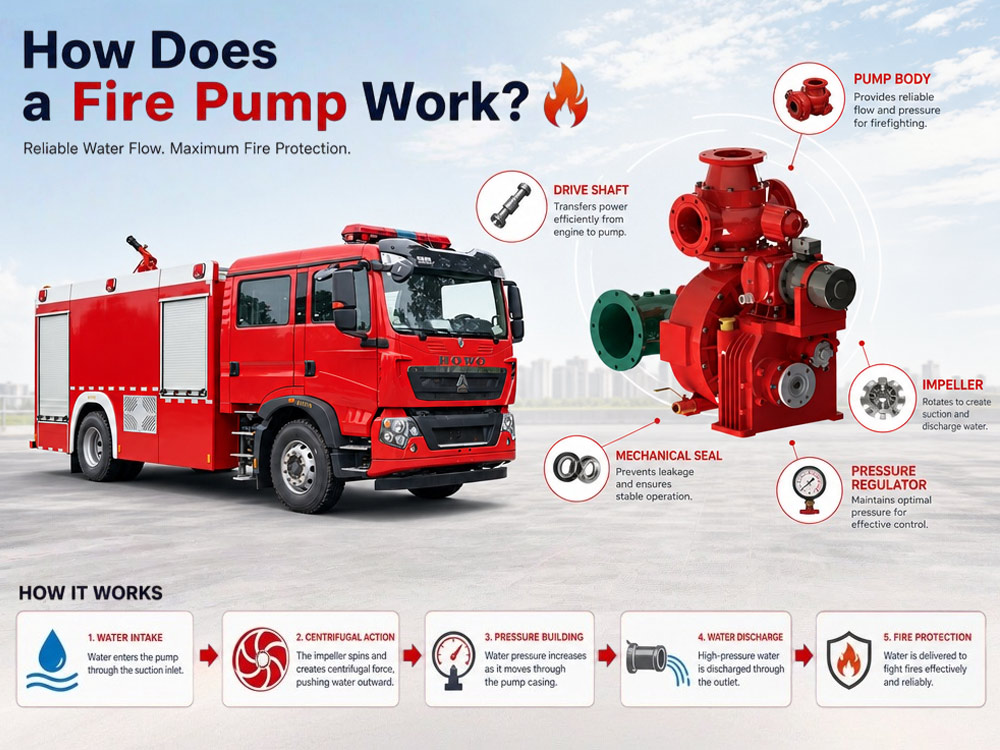
ปั๊มดับเพลิงคือหัวใจของระบบส่งน้ำของรถดับเพลิงทุกคัน ไม่ว่าจะเป็นการตอบสนองต่อเหตุเพลิงไหม้อาคาร เหตุฉุกเฉินในภาคอุตสาหกรรม เหตุการณ์ที่สนามบิน หรือการปฏิบัติการในพื้นที่ป่า ปั๊มดับเพลิงบน รถดับเพลิง มีหน้าที่ส่งน้ำแรงดันสูงไปยังสายฉีดน้ำ หัวฉีดน้ำดับเพลิง และระบบโฟมการออกแบบใบพัดแบบแรงเหวี่ยงและระบบขับเคลื่อนด้วย PTO ช่วยให้มั่นใจได้ถึงแรงดันที่คงที่และอัตราการไหลสูง เพิ่มประสิทธิภาพการดับเพลิงโดยตรงมากกว่า 40% พร้อมลดเวลาตอบสนองลง 3 เท่า สามารถเรียกได้ว่าเป็นผู้พิทักษ์ที่มองไม่เห็นของการปฏิบัติการดับเพลิง และเป็นรากฐานทางเทคนิคของการตอบสนองเหตุฉุกเฉินสมัยใหม่ เรียนรู้วิธีการทำงานของปั๊มดับเพลิง รวมถึงหลักการทำงาน ส่วนประกอบหลัก กระบวนการไหลของน้ำ การสร้างแรงดัน และการใช้งาน ค้นพบว่าปั๊มรถดับเพลิงสามารถส่งน้ำที่เชื่อถือได้สำหรับการดับเพลิงได้อย่างไร และวิธีเลือกปั๊มที่เหมาะสมสำหรับรถดับเพลิงของคุณมาเรียนรู้เกี่ยวกับเรื่องนี้กันวันนี้ » I. ขั้นแรก เราจำเป็นต้องรู้ส่วนประกอบสำคัญสามส่วนของระบบปั๊มดับเพลิง: 1. ใบพัด: ส่วนประกอบที่หมุนซึ่งดูดน้ำเข้าและเหวี่ยงน้ำออกด้วยแรงเหวี่ยง โดยทั่วไปผลิตจากบรอนซ์ สเตนเลส หรือเหล็กหล่อ 2. ตัวเรือนปั๊ม: ตัวโครงที่บรรจุใบพัดและควบคุมทิศทางการไหลของน้ำ ออกแบบมาเพื่อเปลี่ยนความเร็วให้เป็นแรงดัน 3. ระบบถ่ายกำลัง (PTO): การเชื่อมต่อทางกลที่ถ่ายโอนกำลังเครื่องยนต์จากระบบส่งกำลังของรถไปยังปั๊มดับเพลิง » II. หลังจากทราบส่วนประกอบสำคัญแล้ว หลักการทำงานพื้นฐานของปั๊มดับเพลิงมีดังนี้: 1. กำลังถูกส่งผ่านจากเครื่องยนต์ผ่าน PTO เครื่องยนต์ของรถขับเคลื่อน PTO ซึ่งเชื่อมต่อกับเพลาปั๊ม เมื่อผู้ปฏิบัติงานเปิดใช้งาน PTO กำลังจากเครื่องยนต์จะถูกส่งต่อเพื่อหมุนใบพัดปั๊มด้วยความเร็วสูง 2. ใบพัดเริ่มหมุน ใบพัดหมุนที่ความเร็ว 1,500–2,500 RPM ดูดน้ำเข้าสู่ปั๊มผ่านช่องดูด ใบพัดที่หมุนสร้างบริเวณแรงดันต่ำที่จุดศูนย์กลาง ทำให้น้ำถูกดูดเข้ามาจากถังน้ำบนรถ หัวจ่ายน้ำดับเพลิง หรือแหล่งน้ำธรรมชาติ 3. แรงเหวี่ยงเพิ่มแรงดันน้ำ ขณะที่ใบพัดหมุน มันจะเหวี่ยงน้ำออกด้านนอกด้วยแรงเหวี่ยง ความเร็วของน้ำจะเพิ่มขึ้นเมื่อเคลื่อนจากจุดศูนย์กลางไปยังขอบนอกของใบพัด จากนั้นตัวเรือนปั๊มจะเปลี่ยนความเร็วนี้เป็นแรงดัน บังคับให้น้ำแรงดันสูงออกผ่านช่องจ่ายน้ำ 4. น้ำแรงดันสูงออกจากช่องจ่ายน้ำ น้ำที่มีแรงดัน (โดยทั่วไป 0.8–1.2 MPa) จะออกผ่านช่องจ่ายน้ำและถูกส่งไปยังสายฉีดน้ำดับเพลิง หัวฉีดน้ำดับเพลิง หรือระบบผสมสัดส่วนโฟมสำหรับการปฏิบัติการดับเพลิง » III. ปั๊มดับเพลิงรับน้ำมาจากที่ใด? ปั๊มดับเพลิงสามารถดูดน้ำจากสามแหล่ง: ถังน้ำบนรถ: แหล่งน้ำหลักสำหรับการเข้าควบคุมเหตุระยะแรก ความจุทั่วไป: 2,000–12,000 ลิตร ให้แหล่งน้ำทันทีเมื่อเดินทางถึงที่เกิดเหตุ หัวจ่ายน้ำดับเพลิง: เชื่อมต่อผ่านสายส่งน้ำ ให้การจ่ายน้ำอย่างต่อเนื่องสำหรับการปฏิบัติการระยะยาว แรงดันจากหัวจ่ายน้ำช่วยให้ปั๊มรักษาอัตราการไหล แหล่งน้ำธรรมชาติ (การดูดน้ำจากแหล่งน้ำ): ทะเลสาบ แม่น้ำ สระน้ำ หรือสระว่ายน้ำ ปั๊มใช้ระบบไล่อากาศเพื่อกำจัดอากาศออกจากสายดูดก่อนการดูดน้ำ ระยะยกสูงสุดตามทฤษฎีที่ระดับน้ำทะเล: ประมาณ 10 เมตร (33 ฟุต) ความลึกการดูดน้ำที่มีประสิทธิภาพ: โดยทั่วไป 7–8 เมตร กระบวนการดูดน้ำจากแหล่งน้ำ: เชื่อมต่อสายดูดน้ำแบบแข็งเข้ากับช่องรับน้ำของปั๊ม จุ่มตะแกรงกรองให้อยู่ต่ำกว่าผิวน้ำอย่างน้อย 2-3 ฟุต เปิดใช้งานระบบไล่อากาศเพื่อกำจัดอากาศออกจากสายและปั๊ม เกิดสุญญากาศ แรงดันบรรยากาศดันน้ำให้ไหลขึ้น น้ำเติ...
รายละเอียด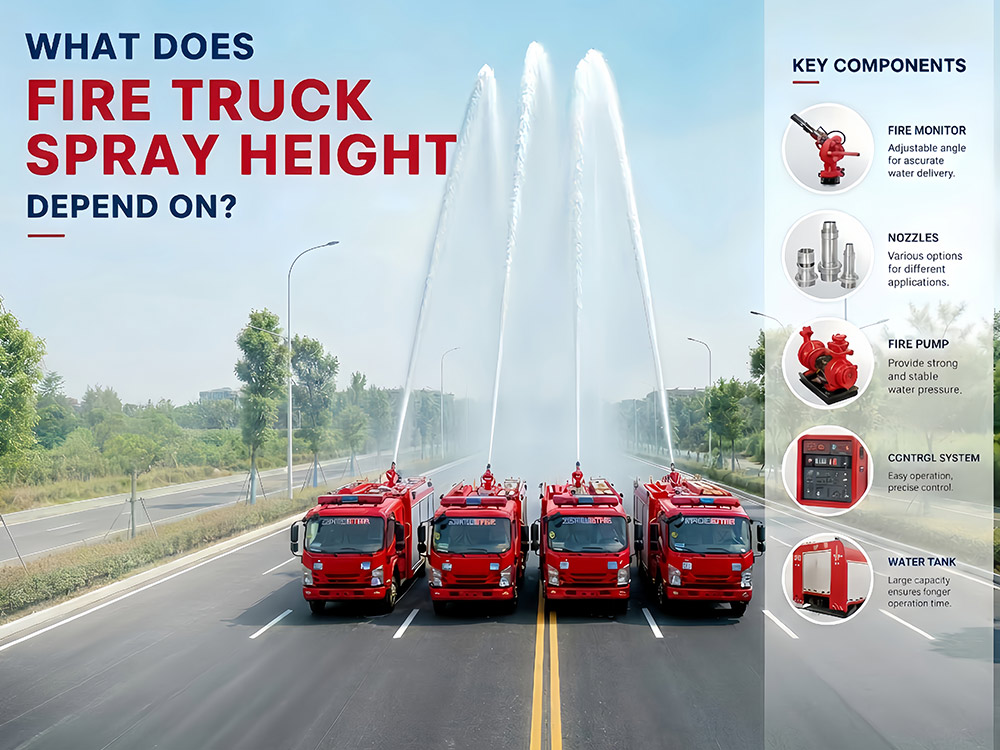
ระบบปั๊มและฉีดพ่นของรถดับเพลิงเป็นแกนหลักของการปฏิบัติการดับเพลิง ทำหน้าที่เป็น "แขนอันทรงพลัง" ของรถดับเพลิง โดยแปลงกำลังจากเครื่องยนต์เป็นแรงดัน (ตั้งแต่ 0.8 ถึง 1.4 MPa) และส่งสารดับเพลิงขึ้นไปได้สูงถึง 85 เมตร — ไม่ว่าจะเป็นเหตุเพลิงไหม้อาคารสูงในใจกลางเมืองที่หนาแน่น หรือเหตุเพลิงไหม้ถังเก็บสารปิโตรเคมีในเขตอุตสาหกรรม รถดับเพลิงพึ่งพาระบบนี้เพื่อให้สามารถควบคุมและดับเพลิงได้อย่างมีประสิทธิภาพ ปัจจัยใดบ้างที่ส่งผลต่อความสูงในการฉีดพ่นของรถดับเพลิง และแรงดันปั๊ม อัตราการไหล และหัวฉีดน้ำดับเพลิงทำงานร่วมกันอย่างไร? สิ่งเหล่านี้เป็นประเด็นที่ลูกค้าจำนวนมากให้ความสนใจ วันนี้เรามาเรียนรู้เกี่ยวกับเรื่องนี้กัน » I. ส่วนประกอบหลักสามประการที่กำหนดความสูงในการฉีดพ่น 1. ระบบปั๊มดับเพลิง: หัวใจของรถดับเพลิง ปั๊มหอยโข่งขับเคลื่อนด้วย PTO ระดับแรงดันที่ใช้ทั่วไป ได้แก่ 0.8 MPa, 1.0 MPa, 1.2 MPa, 1.4 MPa อัตราการไหลตั้งแต่ 2,000 ถึงมากกว่า 5,000 ลิตร/นาที 2. หัวฉีดน้ำดับเพลิง: ส่วนประกอบสุดท้ายก่อนที่สารดับเพลิงจะออกจากรถ มีทั้งหัวฉีดน้ำ หัวฉีดโฟม และหัวฉีดแบบสองวัตถุประสงค์ รุ่น PL-series (PL48) มีอัตราการไหลสูงสุด 4,000 ลิตร/นาที และความสูงในการฉีดพ่นมากกว่า 70 เมตร 3. ระบบส่งจ่าย: ท่อ ระบบสายยาง และหัวฉีดที่ลำเลียงสารดับเพลิงจากปั๊มไปยังหัวฉีด ขนาดเส้นผ่านศูนย์กลางของสายยาง ความยาว และประเภทของหัวฉีดล้วนส่งผลต่อความสูงในการฉีดพ่นสุดท้าย » II. ปัจจัยหลักที่กำหนดความสูงในการฉีดพ่น 1.1 แรงดันปั๊ม แรงดันปั๊มของรถดับเพลิงคือแรงที่สร้างโดยปั๊มดับเพลิงเพื่อดันสารดับเพลิงผ่านสายยางและปล่อยออกจากหัวฉีดหรือหัวฉีดน้ำดับเพลิง เป็นปัจจัยหลักที่กำหนดทั้งอัตราการไหลและระยะการฉีด แรงดันที่สูงขึ้นทำให้ความเร็วที่ทางออกของหัวฉีดเพิ่มขึ้น ส่งผลโดยตรงต่อความสูงในการฉีดพ่น ความสัมพันธ์นี้เป็นไปตามสูตร H ≈ P/(ρg) โดยแรงดันที่เพิ่มขึ้นทุก 0.1 MPa จะเพิ่มความสูงตามทฤษฎีประมาณ 10 เมตร — แต่การสูญเสียในสภาพการใช้งานจริงจะทำให้ค่าลดลง ในการปฏิบัติการดับเพลิงจริง ช่วงค่าต่อไปนี้มักถูกนำมาใช้: แรงดันปั๊ม ความสูงในการฉีดพ่นโดยทั่วไป 0.8 MPa 35–45 เมตร 1.0 MPa 45–55 เมตร 1.2 MPa 55–70 เมตร 1.4 MPa 70–85 เมตร 1.2 วิธีการทำงานของปั๊มดับเพลิง: โดยทั่วไปปั๊มเป็นปั๊มหอยโข่งที่ขับเคลื่อนด้วยเครื่องยนต์ของรถผ่านชุดถ่ายกำลัง (PTO) เมื่อใบพัดหมุน จะดูดสารดับเพลิงเข้าและเหวี่ยงออกด้วยแรงเหวี่ยง ทำให้เกิดแรงดันที่ผลักดันสารผ่านระบบจ่ายออก แรงดันพิกัดเทียบกับแรงดันใช้งาน: คำศัพท์ คำจำกัดความ แรงดันพิกัด แรงดันสูงสุดที่ปั๊มสามารถรองรับได้อย่างต่อเนื่องภายใต้เงื่อนไขการออกแบบ แรงดันใช้งาน แรงดันจริงที่ใช้ระหว่างการดับเพลิง โดยทั่วไปต่ำกว่าแรงดันพิกัดเพื่อให้มีค่าความปลอดภัย 2. อัตราการไหล (ลิตร/นาที) การมีอัตราการไหลที่เพียงพอมีความสำคัญเทียบเท่ากับแรงดัน แรงดันสูงแต่มีอัตราการไหลต่ำไม่สามารถส่งสารดับเพลิงได้เพียงพอสำหรับควบคุมเพลิง ระบบปั๊มต้องรักษาทั้งแรงดันและอัตราการไหลให้ทำงานพร้อมกัน ความสัมพันธ์ระหว่างอัตราการไหลกับความสูงในการฉีดพ่น: 2,000 ลิตร/นาที → มีประสิทธิภาพสำหรับเพลิงไหม้ในเขตเทศบาล 3,000 ลิตร/นาที → เหมาะสำหรับนิคมอุตสาหกรรม 4,000 ลิตร/นาที → จำเป็นสำหรับโรงงานปิโตรเคมี 5,000+ ลิตร/นาที → จำเป็นสำหรับการกู้ภัยอัคคีภัยในสนามบิน 3. การออกแบบหัวฉีดน้ำดับเพลิง เส้นทางการไหลภายในหัวฉีดน้ำดับเพลิง ขนาดเส้นผ่านศูนย์กลางทางออก และประเภท มีผลโดยตรงต่อความสูงของการพ่นน้ำ การเปรียบเทียบ...
รายละเอียด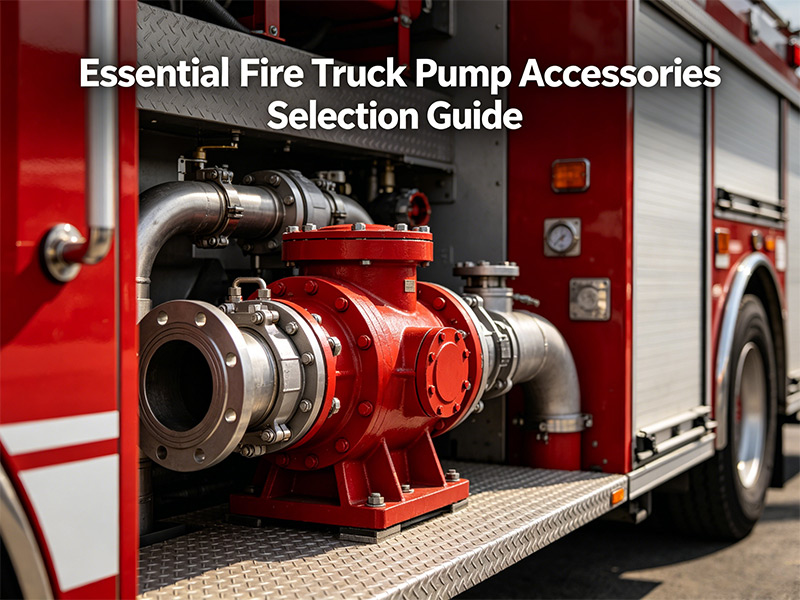
ระบบปั๊มรถดับเพลิงมีความน่าเชื่อถือได้เท่ากับส่วนประกอบของมันเท่านั้น ตั้งแต่การดูดน้ำจากแหล่งน้ำไปจนถึงการจ่ายน้ำด้วยแรงดันสูง อุปกรณ์เสริมทุกชิ้นล้วนมีบทบาทสำคัญ คู่มือนี้ครอบคลุมรถดับเพลิง หมวดหมู่อุปกรณ์เสริมหลัก 5 ประเภท ได้แก่ เครื่องไพรเมอร์ วาล์วบอล วาล์วโกลบ เครื่องผสมโฟม และระบบควบคุมไฮดรอลิก การทำความเข้าใจส่วนประกอบเหล่านี้ช่วยให้นักดับเพลิงบำรุงรักษาอุปกรณ์และเลือกอุปกรณ์เสริมที่เหมาะสมสำหรับการใช้งานเฉพาะด้าน I. ซีรีส์เครื่องไพรเมอร์ (อุปกรณ์สร้างสุญญากาศสำหรับไพรเมอร์) เครื่องไพรเมอร์เป็นอุปกรณ์สำคัญสำหรับการดูดน้ำจากทะเลสาบ แม่น้ำ หรือแหล่งน้ำคงที่อื่น ๆ เมื่อไม่มีหัวจ่ายน้ำ เครื่องนี้จะกำจัดอากาศออกจากปั๊มและท่อดูด ทำให้แรงดันบรรยากาศดันน้ำเข้าสู่ปั๊ม ภาพรวมผลิตภัณฑ์ ผลิตภัณฑ์ สุญญากาศสูงสุด แรงดันไฟฟ้า กำลังไฟ ขนาดปั๊มที่เหมาะสม เครื่องไพรเมอร์แบบ 2 ลูกสูบ >85kPa 24V - ต่ำกว่า 100 L/s เครื่องไพรเมอร์ไฟฟ้าแบบ 2 ลูกสูบ >85kPa 24V 2.1KW ต่ำกว่า 100 L/s เครื่องไพรเมอร์แบบ 4 ลูกสูบ >85kPa 24V - สูงกว่า 100 L/s เครื่องไพรเมอร์ไฟฟ้าแบบ 4 ลูกสูบ >85kPa 24V 2.1KW สูงกว่า 100 L/s คุณสมบัติหลัก: เครื่องไพรเมอร์ไฟฟ้า เครื่องไพรเมอร์ไฟฟ้ามีข้อได้เปรียบที่สำคัญ — สามารถทำไพรเมอร์ให้ปั๊มได้โดยที่ปั๊มไม่ต้องหมุน ซึ่งช่วยป้องกันความเสียหายจากการทำงานแบบแห้งของซีลเชิงกล เมื่อเครื่องไพรเมอร์มาตรฐานต้องอาศัยการหมุนของปั๊ม รุ่นไฟฟ้าสามารถทำงานได้อย่างอิสระ ช่วยยืดอายุการใช้งานของซีล II. ซีรีส์วาล์วบอล (การควบคุมการไหล) วาล์วบอลควบคุมการไหลของน้ำผ่านสายส่งน้ำและช่องทางจ่ายน้ำ วาล์วเหล่านี้ออกแบบมาเพื่อการเปิด/ปิดอย่างรวดเร็วด้วยการหมุนเพียง 90° วาล์วบอลสเตนเลสสตีล รุ่น วัสดุ แรงดันพิกัด เกลียว การทำงาน FQS65/2.5 ตัวเรือนและลูกบอล: สแตนเลส 304; ซีล: PTFE 2.5 MPa G2-1/2" มือหมุน / คันโยก FQS80/2.5 ตัวเรือนและลูกบอล: สแตนเลส 304; ซีล: PTFE 2.5 MPa G3" มือหมุน / คันโยก บอลวาล์วโลหะผสมอะลูมิเนียม (น้ำหนักเบากว่า) รุ่น วัสดุ แรงดันพิกัด เกลียว การทำงาน FQS65/2.5 ตัวเรือน: A356.2; ลูกบอล: 304; ซีล: PTFE 2.5 MPa G2.5" มือหมุน / คันโยก FQS80/1.6 ตัวเรือน: A356.2; ลูกบอล: 304; ซีล: PTFE 1.6 MPa G3" มือหมุน / คันโยก FQS65/2.5 แบบสี่เหลี่ยม ตัวเรือน: A356.2; ลูกบอล: 304; ซีล: PTFE 2.5 MPa - นิวแมติก / คันโยก Ⅲ. ซีรีส์โกลบวาล์ว (การควบคุมแรงดันและอัตราการไหล) แตกต่างจากบอลวาล์วที่ออกแบบมาสำหรับการเปิด/ปิด โกลบวาล์วช่วยให้สามารถควบคุมอัตราการไหลและแรงดันได้อย่างแม่นยำ เหมาะสำหรับสถานการณ์ที่ต้องการการปรับแบบค่อยเป็นค่อยไป รุ่น วัสดุ แรงดันพิกัด เกลียว การทำงาน DN65/2.5 ตัวเรือน: A356.2; ก้าน: H62; ซีล: NBR 2.5 MPa G2.5" มือหมุน DN80/2.5 ตัวเรือน: A356.2; ก้าน: H62; ซีล: NBR 2.5 MPa G3" มือหมุน เมื่อใดควรใช้วาล์วโกลบ ใช้วาล์วโกลบที่จุดทางจ่ายซึ่งต้องการการควบคุมแรงดันอย่างละเอียด เช่น เมื่อเติมถังของยานพาหนะอื่นหรือจ่ายไปยังสายท่อที่ต้องการแรงดันเฉพาะ IV. ซีรีส์เครื่องผสมโฟม (อุปกรณ์ผสมโฟม) เครื่องผสมโฟมจะผสมสารเข้มข้นโฟมกับน้ำในอัตราส่วนที่แม่นยำ ซึ่งเป็นสิ่งจำเป็นสำหรับการดับเพลิงประเภท B (ของเหลวไวไฟ) ที่น้ำเพียงอย่างเดียวไม่สามารถดับได้อย่างมีประสิทธิภาพ เครื่องผสมโฟมแบบแมนนวล / มาตรฐาน รุ่น วัสดุ แรงดันขาเข้า ช่วงอัตราการไหล อัตราส่วนการผสม PH32-64 ตัวเรือน: A356.2 0.6-1.4 MPa 4-64 L/s 6% PHZ100 ตัวเรือน: A356.2 1.0 MPa 60...
รายละเอียด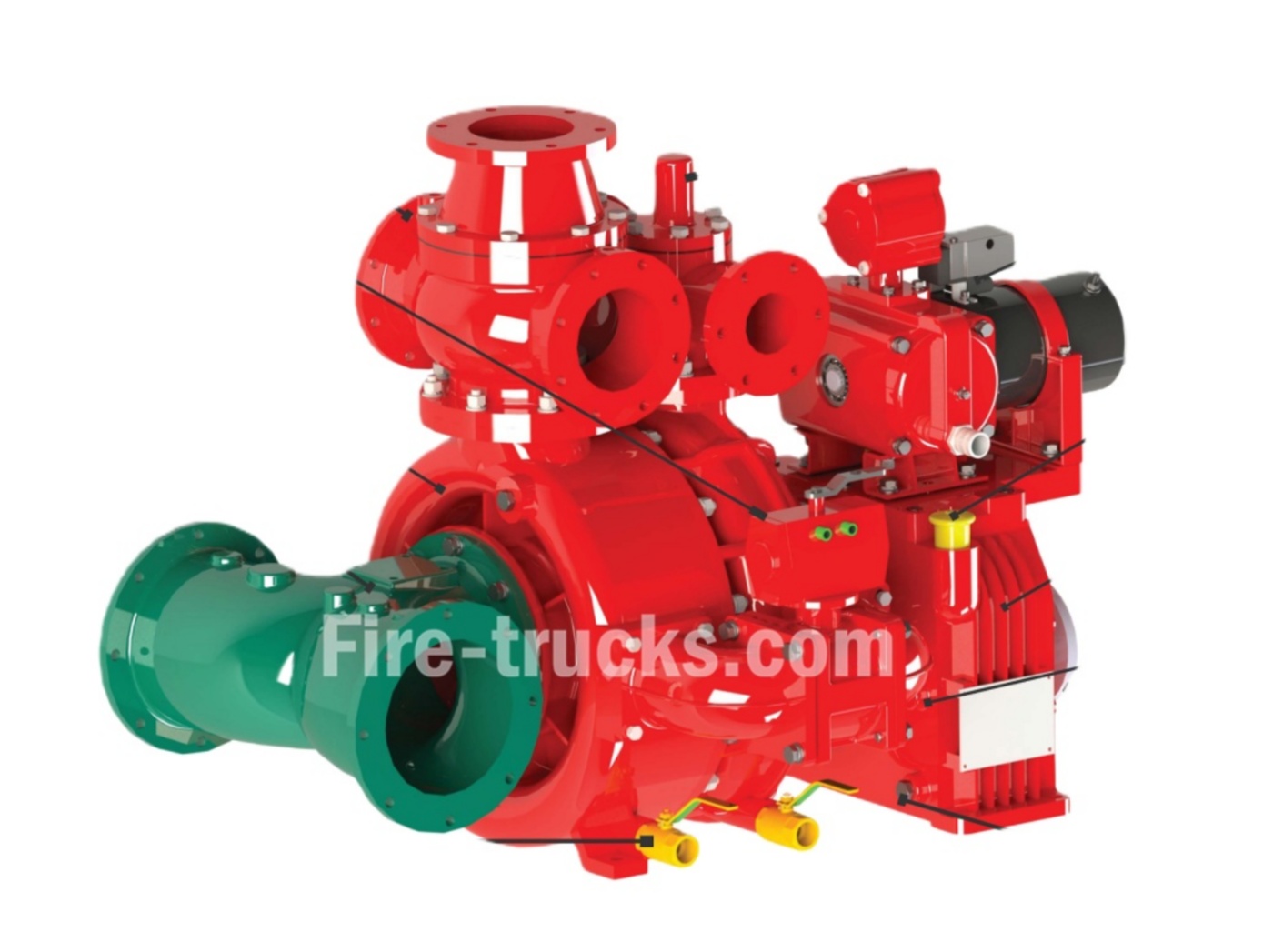
ในฐานะนักแสวงบุญมืออาชีพ ผู้ผลิตปั๊มดับเพลิง ในประเทศจีน รถบรรทุกพาวเวอร์สตาร์ บริษัทเป็นเจ้าของผลิตภัณฑ์ภายใต้แบรนด์ "Xiongzhen" ซึ่งประกอบด้วยปั๊มดับเพลิงแรงดันต่ำ ปั๊มดับเพลิงแรงดันปานกลาง และปั๊มดับเพลิงแรงดันสูง-ต่ำแบบติดตั้งบนรถยนต์ รวมถึงอุปกรณ์เสริม เช่น เครื่องฉีดน้ำดับเพลิงและเครื่องผสมโฟม ปั๊มดับเพลิงของบริษัทใช้วัสดุใหม่ เช่น โลหะผสมอลูมิเนียมและสแตนเลส และติดตั้งอุปกรณ์ปลดคลัตช์แม่เหล็กไฟฟ้าอัตโนมัติและวาล์วกันกลับ ทำให้มีประสิทธิภาพยอดเยี่ยม ใช้งานง่าย และบำรุงรักษาสะดวก ผลิตภัณฑ์ของบริษัทผ่านการทดสอบประเภทโดยศูนย์กำกับดูแลและตรวจสอบคุณภาพอุปกรณ์ดับเพลิงแห่งชาติ ได้รับการรับรอง CCC และได้รับการรับรองระบบการจัดการคุณภาพ ISO9001 ปั๊มดับเพลิง Xiongzhen ส่วนใหญ่ประกอบด้วยรุ่นต่อไปนี้: CB10/20-XZ ซีบี10/30-XZ , CB10/40-XZ, ซีบี10/60-XZ เช่น CB10/80-XZ, CB10/100-XZ, CB20.10/15.30-XZ, CB20.10/20.40-XZ, CB20.10/30.60-XZ เป็นต้น ปั๊มดับเพลิง CB10/20-XZ สำหรับรถดับเพลิง ปั๊มดับเพลิง CB10/30-XZ สำหรับรถดับเพลิง ปั๊มดับเพลิง รุ่น CB10/40-XZ สำหรับรถดับเพลิง ผลิตในประเทศจีน ปั๊มดับเพลิง รุ่น CB10-60 สำหรับรถดับเพลิง ปั๊มดับเพลิงฉุกเฉิน CB10/80-XZ สำหรับรถดับเพลิง ปั๊มดับเพลิง CB10/100-XZ สำหรับรถดับเพลิง ข้อมูลจำเพาะของระบบปั๊มดับเพลิง Xiongzhen รุ่น CB10/100-XZ ผู้ผลิตปั๊มดับเพลิงซีรีส์ CB ของ Xiongzhen ข้อมูลจำเพาะของชุดปั๊มดับเพลิง CB10/150 ระบบปั๊มดับเพลิง CB10/160-XZ โรงงานเซียงเจิ้น ข้อมูลจำเพาะของปั๊มดับเพลิงฉุกเฉิน CB10/170-XZ บริษัท Powerstar Trucks มีความสามารถทางเทคนิคที่แข็งแกร่ง โดยถือครองสิทธิบัตรถึงสี่ฉบับ และใช้เครื่องจักรการผลิตที่ทันสมัย เช่น การเขียนแบบ CAD และเครื่องมือเครื่องจักร CNC เพื่อให้มั่นใจได้ถึงอัตราคุณภาพผลิตภัณฑ์ที่สูงและความพึงพอใจของลูกค้า ผลิตภัณฑ์ของบริษัทมุ่งเป้าไปที่โรงงานดัดแปลงรถดับเพลิงและหน่วยดับเพลิงเป็นหลัก รายละเอียดและข้อมูลจำเพาะของปั๊มดับเพลิง CB20.10 20.40 ปั๊มดับเพลิง CB20.10 30.60-XZ จากโรงงาน Xiongzhen ปั๊มดับเพลิงรุ่น CB20/15-XZ ปั๊มดับเพลิงฉุกเฉินรุ่น CB20/20-XZ รายละเอียดการติดตั้งปั๊มดับเพลิง CB20 25 นี่คือตารางการบำรุงรักษาสำหรับ XIONGZHEN ของคุณ ปั๊มดับเพลิง โดยแบ่งตามสัปดาห์ เดือน ไตรมาส และปี เพื่อให้ง่ายต่อการค้นหา: 01. การตรวจสอบประจำวันของปั๊มดับเพลิง Powersar: ตรวจสอบแรงดันเริ่มต้น-หยุด และความถี่ของปั๊มรักษาเสถียรภาพแรงดัน ตรวจสอบกำลังไฟของแบตเตอรี่สตาร์ทของปั๊มดับเพลิงเครื่องยนต์ดีเซล ตรวจสอบสภาพของวาล์วควบคุมแหล่งจ่ายน้ำและชุดวาล์วเตือนภัยว่ามีรอยชำรุดเสียหายหรือไม่ 02. ปั๊มดับเพลิงพาวเวอร์ซาร์ การตรวจสอบประจำสัปดาห์: ทดสอบการทำงานของปั๊มดับเพลิงแบบสตาร์ทอัตโนมัติ ตรวจสอบระดับน้ำมันเชื้อเพลิงของปั๊มดับเพลิงเครื่องยนต์ดีเซล 03. ปั๊มดับเพลิงพาวเวอร์ซาร์ การตรวจสอบรายเดือน: ทดสอบการทำงานของมอเตอร์สตาร์ทด้วยมือ ปั๊มดับเพลิง และปั๊มดับเพลิงเครื่องยนต์ดีเซล ตรวจสอบระดับน้ำในถังเก็บน้ำดับเพลิงและถังเก็บน้ำดับเพลิงที่อยู่สูง ตรวจสอบแรงดันอากาศ ระดับน้ำ และปริมาตรใช้งานของถังแรงดัน ตรวจสอบความสมบูรณ์ของซีลและโซ่ของวาล์วควบคุมระบบทั้งหมด ตรวจสอบความแตกต่างของแรงดันของอุปกรณ์ป้องกันการไหลย้อนกลับ 04. ปั๊มดับเพลิงพาวเวอร์ซาร์ การตรวจสอบประจำไตรมาส: ตรวจสอบแรงดันและอัตราการไหลของระบบประปาของเทศบาล ตรวจสอบสถานะการเปิดของวาล์วควบคุมในบ่อวาล์วภายนอกอาคาร ตรวจสอบลักษณะภายนอกและการรั่วซึมของหัวจ่า...
รายละเอียด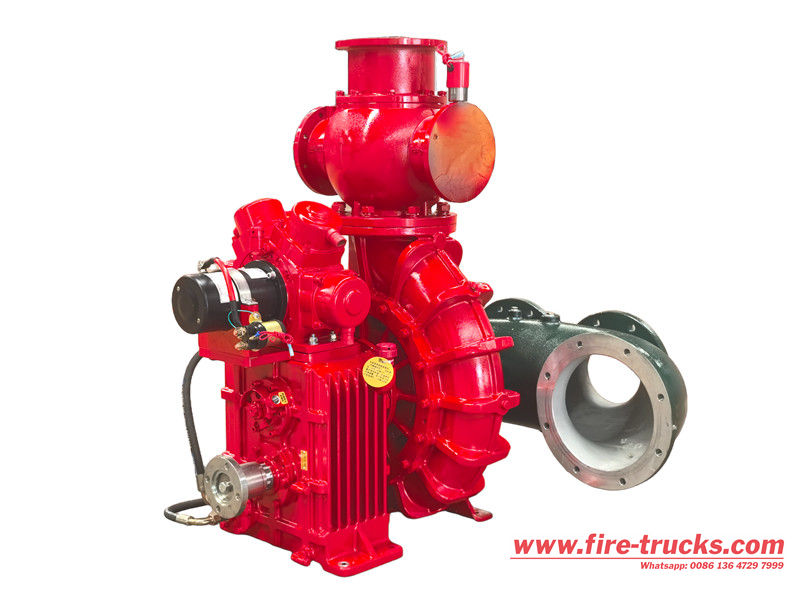
ปั๊มดับเพลิงโฟม CB10/140 เป็นระบบจ่ายน้ำดับเพลิงแบบติดตั้งบนรถยนต์หรือแบบอยู่กับที่ที่ใช้กันทั่วไป มีแรงดันใช้งาน 1.0 MPa และอัตราการไหลใช้งาน 140 ลิตร/วินาที ตอบสนองความต้องการน้ำหลักของระบบดับเพลิง ตัวปั๊มและใบพัดผลิตจากวัสดุคุณภาพสูง ทนทานต่อการสึกหรอ ทนต่อการกัดกร่อน และทนต่อแรงดันสูง เครื่องนี้มีดีไซน์แบบสองทางเข้าเพื่อการสลับแหล่งน้ำอย่างรวดเร็ว และขับเคลื่อนด้วยมอเตอร์ประสิทธิภาพสูงหรือเครื่องยนต์ดีเซล ทำให้สามารถสตาร์ทเครื่องได้ภายใน 30 วินาทีหรือน้อยกว่านั้น ด้วยดีไซน์ที่กะทัดรัด บำรุงรักษาง่าย และการทำงานที่เชื่อถือได้ ปั๊มดับเพลิงโฟม CB10/140 เป็นอุปกรณ์ที่สำคัญอย่างยิ่งในการรับประกันการจ่ายน้ำอย่างมีประสิทธิภาพสำหรับการดับเพลิง ปั๊มดับเพลิงแบบติดตั้งบนรถบรรทุกแรงดันต่ำ CB10/140-XZ มีโครงสร้างแบบแรงเหวี่ยงขั้นตอนเดียว ตัวเรือนปั๊มทำจากโลหะผสมอลูมิเนียม และใบพัดทำจากทองเหลือง ใช้ระบบดูดน้ำแบบลูกสูบสี่ตัวด้วยไฟฟ้า พร้อมสวิตช์ไฟฟ้า ส่วนปั๊มโฟม CB10/20 (อุปกรณ์เสริม) ใช้กลไกการแยกแบบนิวแมติก ผลิตภัณฑ์นี้มีประสิทธิภาพยอดเยี่ยม โครงสร้างกะทัดรัด ใช้งานง่าย และบำรุงรักษาง่าย ปั๊มดับเพลิง CB10/140-XZ เป็นปั๊มน้ำแบบแรงเหวี่ยงขั้นเดียวที่ใช้ในรถดับเพลิง มีลักษณะเด่นคืออุปกรณ์ล่อปั๊มแบบลูกสูบสองตัวที่ทำงานและหยุดทำงานโดยอัตโนมัติ ออกแบบมาเพื่อประสิทธิภาพสูงด้วยโครงสร้างที่กะทัดรัด ใช้งานง่าย และบำรุงรักษาสะดวก ข้อมูลจำเพาะที่สำคัญ ได้แก่ อัตราการไหล 140 ลิตร/วินาที และแรงดันขาออก 1.0 เมกะปาสคาล ที่ความเร็วรอบ 2600 รอบ/นาที - - หลักการทำงานของปั๊มดับเพลิงโฟม CB10/140 ● ปริมาณการรับประทานน้ำและสารเข้มข้นสำหรับทำโฟม: น้ำจะถูกดึงมาจากแหล่งจ่ายน้ำ และสารเพิ่มปริมาณโฟมจะถูกดึงมาจากถังเก็บ ● การกำหนดสัดส่วน: เครื่องผสมจะผสมสารเข้มข้นสำหรับทำโฟมกับน้ำในอัตราส่วนที่กำหนดไว้ล่วงหน้า ● การเพิ่มแรงดัน: ปั๊มจะเพิ่มแรงดันให้กับส่วนผสม ทำให้ความเร็วและแรงดันของส่วนผสมเพิ่มขึ้น ● การจำหน่ายผู้ป่วย: สารละลายโฟมแรงดันสูงจะถูกดันผ่านท่อส่งไปยังหัวฉีด จากนั้นจึงฉีดพ่นไปยังจุดที่เกิดเพลิงไหม้ ● การดับเพลิง: โฟมจะปกคลุมแหล่งเชื้อเพลิง แยกเชื้อเพลิงออกจากออกซิเจน และดับไฟในที่สุด - - รายละเอียดเกี่ยวกับปั๊มดับเพลิงโฟมรุ่น CB10/140 1. การออกแบบโครงสร้างที่เหนือกว่า ประสิทธิภาพการทำงานที่เสถียรและเชื่อถือได้: ● เดอะ ปั๊มดับเพลิง CB10/140 มีคุณสมบัติเด่นคือการออกแบบแบบแรงเหวี่ยงขั้นตอนเดียว และผลิตจากโลหะผสมอะลูมิเนียมความแข็งแรงสูง ซึ่งมีข้อดีหลายประการ เช่น น้ำหนักเบา ทนต่อการกัดกร่อน และทนต่ออุณหภูมิสูง ● โครงสร้างภายในของปั๊มได้รับการผลิตด้วยความแม่นยำสูง ทำให้มั่นใจได้ถึงการไหลที่ราบรื่นและประสิทธิภาพทางไฮดรอลิกที่ยอดเยี่ยม ซีลเชิงกลช่วยป้องกันการรั่วไหลและรับประกันความน่าเชื่อถือในการใช้งานในระยะยาว ● ปั๊มดับเพลิงรุ่นนี้มีกำลังดูดและส่งน้ำสูง ทำให้เหมาะสำหรับรถดับเพลิงขนาดกลางและขนาดใหญ่ รวมถึงอุปกรณ์ดับเพลิงฉุกเฉินหลากหลายประเภท 2. ใช้งานง่ายและปรับตัวได้สูง: ♦ ปั๊มดับเพลิงโฟม CB10/140 สามารถเชื่อมต่อโดยตรงกับเครื่องยนต์ผ่านระบบส่งกำลัง (PTO) ทำให้สามารถเริ่มและหยุดการทำงานได้อย่างยืดหยุ่น และตอบสนองได้อย่างรวดเร็ว ♦ ปั๊มรุ่นนี้มีประสิทธิภาพในการดูดน้ำเองได้ดีเยี่ยม ช่วยให้การดูดน้ำเพื่อเติมน้ำทำได้อย่างรวดเร็ว และสามารถปรับใช้ได้กับแหล่งน้ำหลากหลายประเภท รวมถึงแม่น้ำ บ่อ และน้ำบาดาล ♦ ระบบควบคุมที่ใช้งานง่าย มอบการทำงานที่เรียบง่ายและเชื่อถือได้ ช่วยให้สามารถใช้งา...
รายละเอียด
โปรดอ่านต่อ ติดตามข่าวสาร สมัครรับข้อมูล และเรายินดีรับฟังความคิดเห็นของคุณ

 รองรับเครือข่าย IPv6

 ไทย
ไทย English
 français
 Deutsch
 русский
 italiano
 español
 português
 Nederlands
 العربية
 日本語
日本語 한국의
한국의 Türkçe
 Melayu
 Tiếng Việt
 Indonesia
  中文
中文 қазақ
қазақ Filipino
 မြန်မာ
 српски