ฝากข้อความ
หากคุณสนใจในผลิตภัณฑ์ของเราและต้องการทราบรายละเอียดเพิ่มเติม โปรดฝากข้อความไว้ที่นี่ เราจะตอบกลับคุณโดยเร็วที่สุด

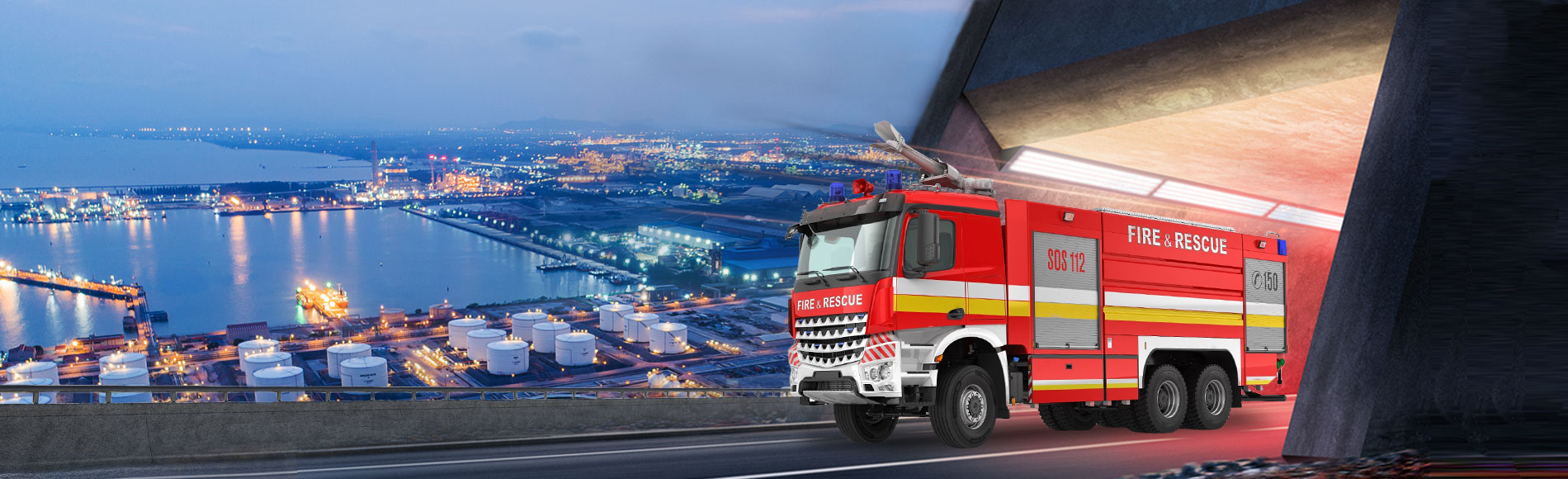
ระบบปั๊มและฉีดพ่นของรถดับเพลิงเป็นแกนหลักของการปฏิบัติการดับเพลิง ทำหน้าที่เป็น "แขนอันทรงพลัง" ของรถดับเพลิง โดยแปลงกำลังจากเครื่องยนต์เป็นแรงดัน (ตั้งแต่ 0.8 ถึง 1.4 MPa) และส่งสารดับเพลิงขึ้นไปได้สูงถึง 85 เมตร — ไม่ว่าจะเป็นเหตุเพลิงไหม้อาคารสูงในใจกลางเมืองที่หนาแน่น หรือเหตุเพลิงไหม้ถังเก็บสารปิโตรเคมีในเขตอุตสาหกรรม รถดับเพลิงพึ่งพาระบบนี้เพื่อให้สามารถควบคุมและดับเพลิงได้อย่างมีประสิทธิภาพ
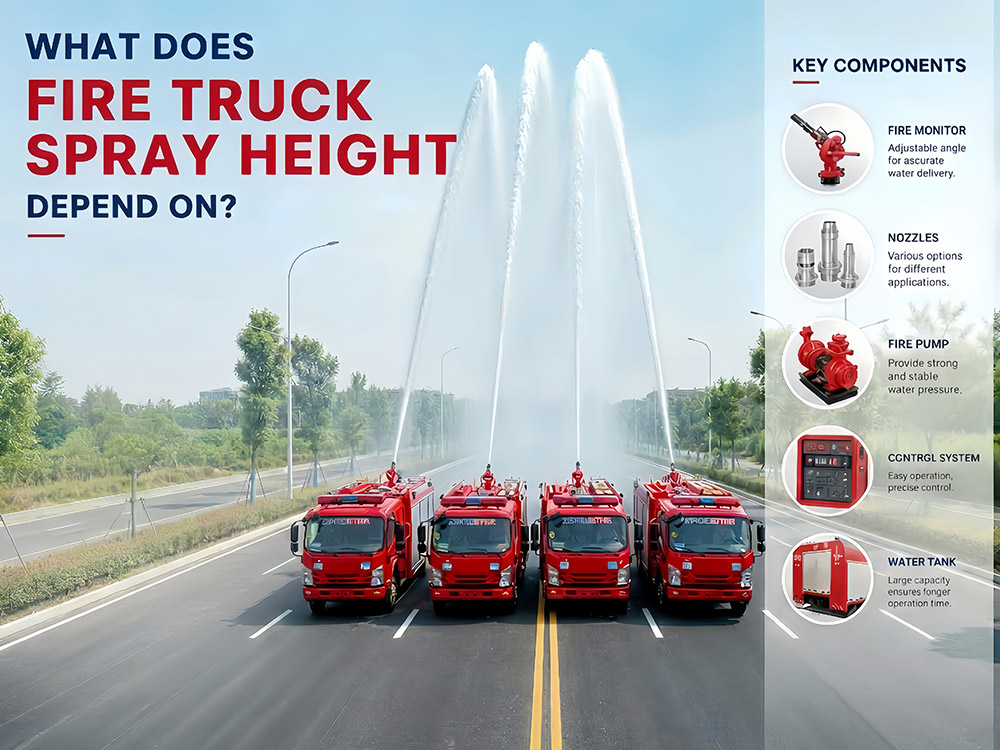
ปัจจัยใดบ้างที่ส่งผลต่อความสูงในการฉีดพ่นของรถดับเพลิง และแรงดันปั๊ม อัตราการไหล และหัวฉีดน้ำดับเพลิงทำงานร่วมกันอย่างไร? สิ่งเหล่านี้เป็นประเด็นที่ลูกค้าจำนวนมากให้ความสนใจ วันนี้เรามาเรียนรู้เกี่ยวกับเรื่องนี้กัน
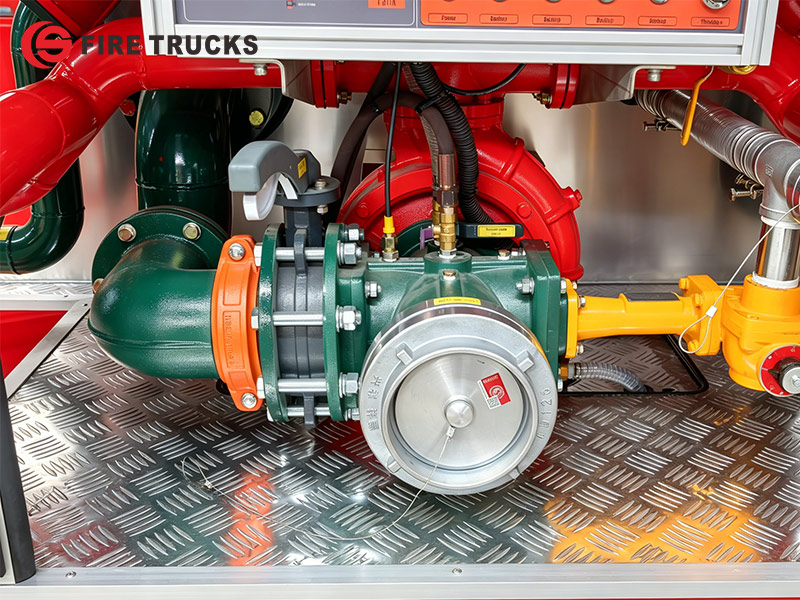
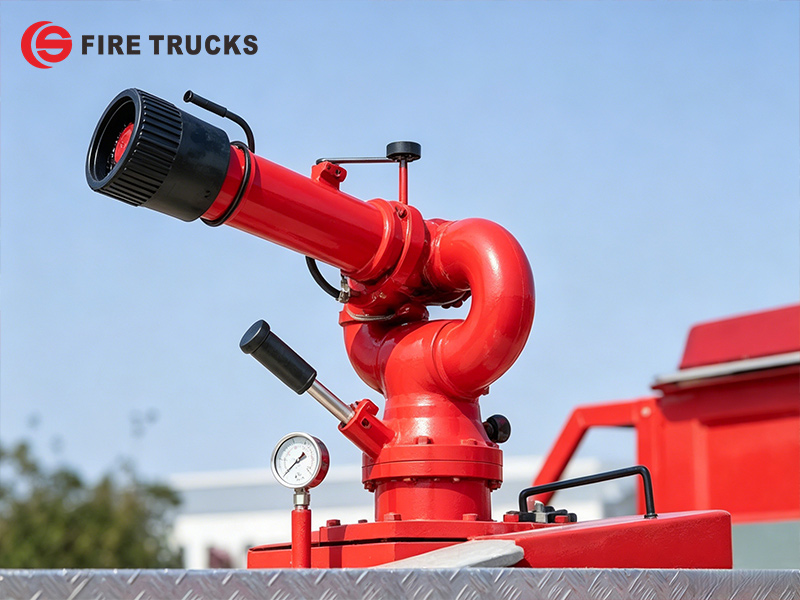
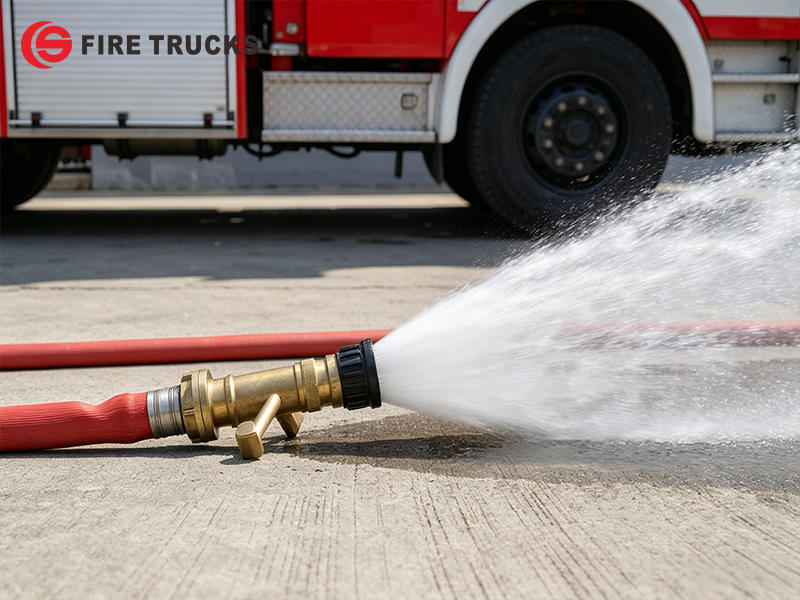
แรงดันปั๊มของรถดับเพลิงคือแรงที่สร้างโดยปั๊มดับเพลิงเพื่อดันสารดับเพลิงผ่านสายยางและปล่อยออกจากหัวฉีดหรือหัวฉีดน้ำดับเพลิง เป็นปัจจัยหลักที่กำหนดทั้งอัตราการไหลและระยะการฉีด แรงดันที่สูงขึ้นทำให้ความเร็วที่ทางออกของหัวฉีดเพิ่มขึ้น ส่งผลโดยตรงต่อความสูงในการฉีดพ่น ความสัมพันธ์นี้เป็นไปตามสูตร H ≈ P/(ρg) โดยแรงดันที่เพิ่มขึ้นทุก 0.1 MPa จะเพิ่มความสูงตามทฤษฎีประมาณ 10 เมตร — แต่การสูญเสียในสภาพการใช้งานจริงจะทำให้ค่าลดลง
ในการปฏิบัติการดับเพลิงจริง ช่วงค่าต่อไปนี้มักถูกนำมาใช้:
| แรงดันปั๊ม | ความสูงในการฉีดพ่นโดยทั่วไป |
| 0.8 MPa | 35–45 เมตร |
| 1.0 MPa | 45–55 เมตร |
| 1.2 MPa | 55–70 เมตร |
| 1.4 MPa | 70–85 เมตร |
โดยทั่วไปปั๊มเป็นปั๊มหอยโข่งที่ขับเคลื่อนด้วยเครื่องยนต์ของรถผ่านชุดถ่ายกำลัง (PTO) เมื่อใบพัดหมุน จะดูดสารดับเพลิงเข้าและเหวี่ยงออกด้วยแรงเหวี่ยง ทำให้เกิดแรงดันที่ผลักดันสารผ่านระบบจ่ายออก
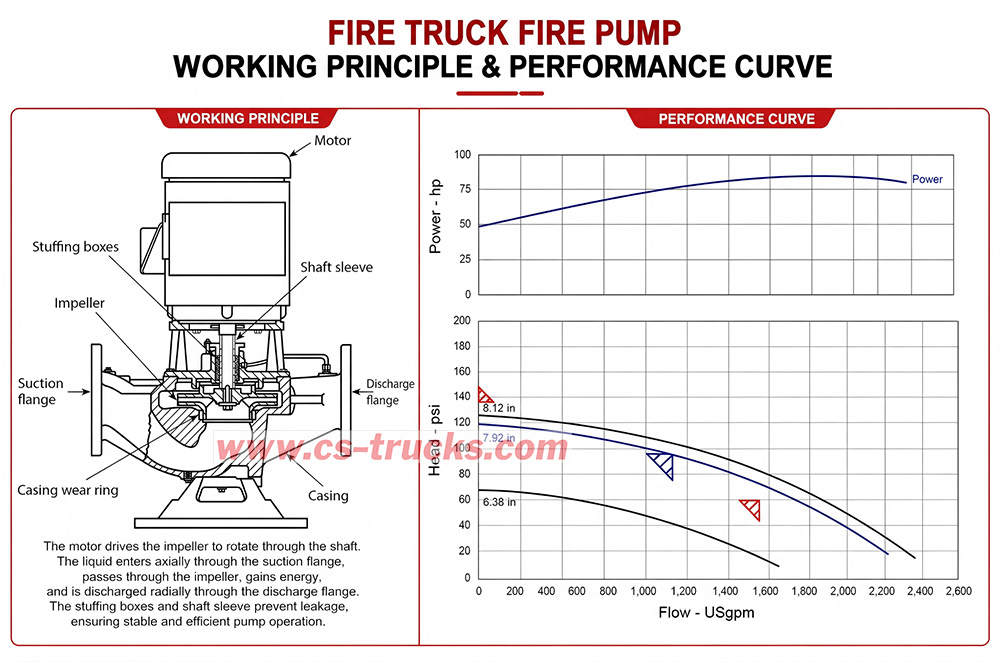 แรงดันพิกัดเทียบกับแรงดันใช้งาน:
| คำศัพท์ | คำจำกัดความ |
| แรงดันพิกัด | แรงดันสูงสุดที่ปั๊มสามารถรองรับได้อย่างต่อเนื่องภายใต้เงื่อนไขการออกแบบ |
| แรงดันใช้งาน | แรงดันจริงที่ใช้ระหว่างการดับเพลิง โดยทั่วไปต่ำกว่าแรงดันพิกัดเพื่อให้มีค่าความปลอดภัย |
การมีอัตราการไหลที่เพียงพอมีความสำคัญเทียบเท่ากับแรงดัน แรงดันสูงแต่มีอัตราการไหลต่ำไม่สามารถส่งสารดับเพลิงได้เพียงพอสำหรับควบคุมเพลิง ระบบปั๊มต้องรักษาทั้งแรงดันและอัตราการไหลให้ทำงานพร้อมกัน
ความสัมพันธ์ระหว่างอัตราการไหลกับความสูงในการฉีดพ่น:
2,000 ลิตร/นาที → มีประสิทธิภาพสำหรับเพลิงไหม้ในเขตเทศบาล
3,000 ลิตร/นาที → เหมาะสำหรับนิคมอุตสาหกรรม
4,000 ลิตร/นาที → จำเป็นสำหรับโรงงานปิโตรเคมี
5,000+ ลิตร/นาที → จำเป็นสำหรับการกู้ภัยอัคคีภัยในสนามบิน
เส้นทางการไหลภายในหัวฉีดน้ำดับเพลิง ขนาดเส้นผ่านศูนย์กลางทางออก และประเภท มีผลโดยตรงต่อความสูงของการพ่นน้ำ
การเปรียบเทียบประเภทหัวฉีดน้ำดับเพลิง:
หัวฉีดน้ำ: ความสูงสูงสุด เส้นทางการไหลเป็นแนวตรง
หัวฉีดโฟม: ต่ำกว่าเล็กน้อย (น้อยลง 5–10%) เนื่องจากความปั่นป่วนจากการดูดอากาศเข้า
หัวฉีดแบบสองวัตถุประสงค์: ระดับปานกลาง (เป็นการประนีประนอมระหว่างน้ำและโฟม)
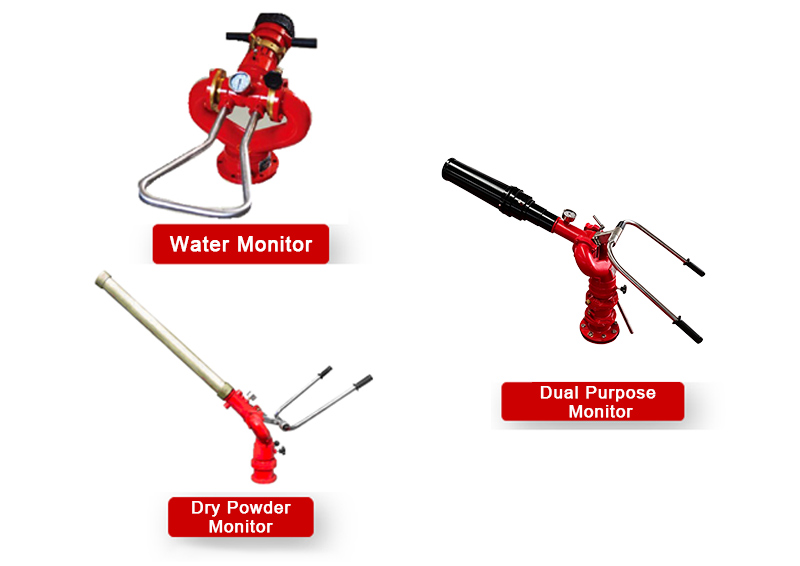
น้ำและโฟมมีความหนาแน่นแตกต่างกัน สารละลายโฟมมีความหนาแน่นมากกว่าน้ำประมาณ 5-10% ซึ่งทำให้ความสูงของการพ่นลดลงเล็กน้อยที่แรงดันเท่ากัน ควรพิจารณาปัจจัยนี้เมื่อเลือกอุปกรณ์สำหรับการปฏิบัติงานด้วยโฟม
เมื่อสารดับเพลิงไหลผ่านสายยางและท่อ แรงเสียดทานจะลดแรงดันที่หัวฉีดน้ำดับเพลิง สายยางที่ยาวขึ้นและเส้นผ่านศูนย์กลางที่เล็กลงจะเพิ่มการสูญเสีย
ปัจจัยการสูญเสียจากแรงเสียดทาน:
ความยาวสายยาง: ยาวขึ้น = สูญเสียมากขึ้น
เส้นผ่านศูนย์กลางสายยาง: เล็กลง = สูญเสียมากขึ้น
ข้อต่อและส่วนโค้ง: แต่ละส่วนเพิ่มแรงต้านทาน
เพื่อมอบโซลูชันการดับเพลิงที่ดีที่สุดให้แก่ลูกค้า FIRE TRUCKS เลือกระบบที่เหมาะสมที่สุดตามการใช้งาน
ข้อกำหนด: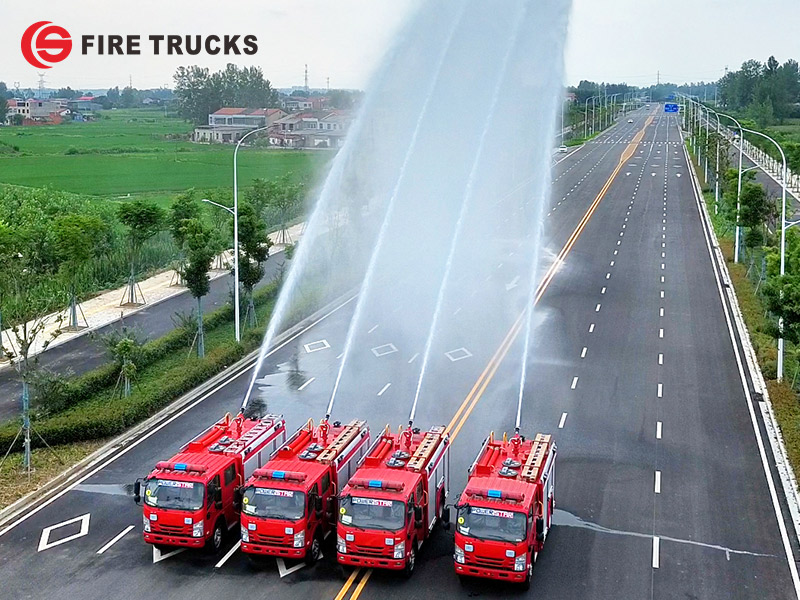
| แรงดันปั๊ม | อัตราการไหล | ความสูงการพ่น | การใช้งานที่แนะนำ |
| 0.8 MPa | 2,000 ลิตร/นาที | 35–45 ม. | การดับเพลิงเทศบาล |
| 1.0 MPa | 3,000 ลิตร/นาที | 45–55 ม. | นิคมอุตสาหกรรม |
| 1.2 MPa | 4,000 ลิตร/นาที | 55–70 ม. | โรงงานปิโตรเคมี |
| 1.4 MPa | 5,000+ ลิตร/นาที | 70–85 ม. | การดับเพลิงในสนามบิน |
| การใช้งาน | ประเภทมอนิเตอร์ที่แนะนำ | เหตุผล |
| การดับเพลิงในเขตเทศบาล | มอนิเตอร์น้ำ | ความสูงของการพ่นสูงสุด ใช้งานง่าย |
| โรงกลั่นน้ำมัน/โรงงานเคมี | มอนิเตอร์โฟมหรือแบบสองวัตถุประสงค์ | รองรับการดับเพลิงของของเหลวไวไฟ |
| กู้ภัยอุบัติเหตุเครื่องบินในสนามบิน | มอนิเตอร์โฟม (ความจุสูง) | ต้องการปริมาณโฟมจำนวนมาก |
| ความเสี่ยงจากเพลิงไหม้หลายประเภท | มอนิเตอร์แบบสองวัตถุประสงค์ | ความยืดหยุ่นสำหรับทั้งน้ำและโฟม |
| ปัจจัย | ผลกระทบ | วิธีปรับให้เหมาะสม |
| แรงดันปั๊ม | แปรผันโดยตรง | เลือกแรงดันที่เหมาะสมกับการใช้งาน |
| อัตราการไหล | ช่วยรักษาประสิทธิภาพการดับเพลิง | ปรับสมดุลแรงดันกับอัตราการไหล |
| การออกแบบมอนิเตอร์ | แตกต่างได้ถึง 10% | เลือกประเภทมอนิเตอร์ให้เหมาะกับการใช้งาน |
| ประเภทสารดับเพลิง | โฟมลดความสูงลงเล็กน้อย | คำนึงถึงความแตกต่างของความหนาแน่น |
| การสูญเสียจากแรงเสียดทาน | ลดแรงดันที่มีประสิทธิภาพ | ใช้สายยางที่สั้นกว่า/ขนาดใหญ่กว่า |
| การเพิ่มระดับความสูง | ใช้แรงดัน | เพิ่มแรงดันสำหรับความสูง |
| ความเร็วลม | ลดความสูงที่มีประสิทธิผล | จัดตำแหน่งรถบรรทุกให้อยู่เหนือลม |
ภูมิหลังของกรณีศึกษา:
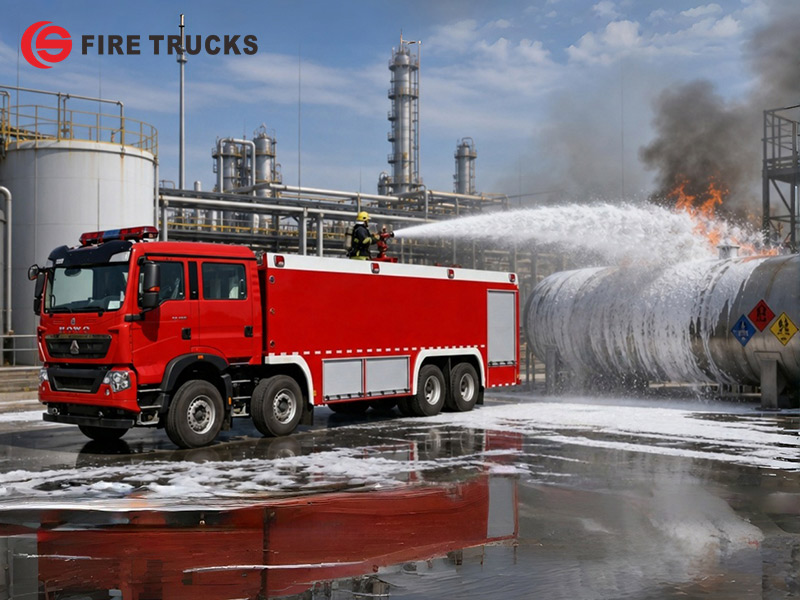
เกิดเหตุเพลิงไหม้ขนาดใหญ่ที่สถานที่จัดเก็บปิโตรเคมีในเขตอุตสาหกรรม เพลิงไหม้เกี่ยวข้องกับถังหลังคาลอยขนาดเส้นผ่านศูนย์กลาง 50 เมตรที่บรรจุน้ำมันดิบ สายฉีดน้ำจากพื้นดินไม่สามารถเข้าถึงจุดเกิดไฟได้เนื่องจากความสูงของถังและเขตความร้อนจากการแผ่รังสี
การกำหนดค่ารถดับเพลิง:
รถดับเพลิงโฟมแบบ 8×4
ระบบปั๊มที่มีอัตราความดัน 1.2 MPa / 4,000 ลิตร/นาที
หัวฉีด PL48 แบบสองวัตถุประสงค์สำหรับโฟม/น้ำ
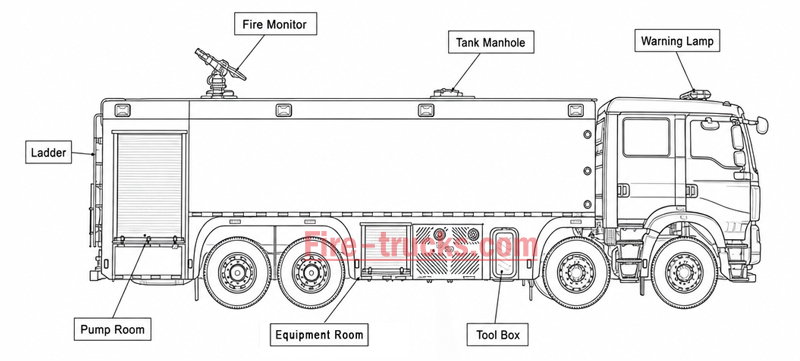
ประสิทธิภาพจริง:
ความสูงของลำฉีดที่วัดได้: ประมาณ 62 เมตร
พื้นที่ครอบคลุมที่มีประสิทธิผล: พื้นที่ถังที่มีเส้นผ่านศูนย์กลางประมาณ 80 เมตร
ชั้นโฟมสามารถระงับเพลิงไหม้ได้สำเร็จภายใน 8 นาที
บทเรียนสำคัญ:
สำหรับเพลิงไหม้ถังเก็บขนาดใหญ่ ความดันต่ำกว่า 1.0 MPa มักไม่เพียงพอที่จะส่งโฟมไปยังระยะที่ต้องการ การผสมผสานระหว่างความดันที่เหมาะสม อัตราการไหลสูง และหัวฉีดที่เลือกใช้อย่างถูกต้องเป็นสิ่งจำเป็นสำหรับการดับเพลิงอย่างมีประสิทธิภาพ
ความเข้าใจผิดที่ 1: ความดันสูงกว่าย่อมดีกว่าเสมอ
ความเป็นจริง:ความดันที่สูงขึ้นเพิ่มการใช้พลังงาน ต้นทุนอุปกรณ์ และความซับซ้อนในการบำรุงรักษา ความดันที่มากเกินไปอาจทำให้สายฉีดและหัวฉีดเสียหายได้ เป้าหมายคือการมีความดันที่เพียงพอต่องาน ไม่ใช่ความดันสูงสุด
ความเข้าใจผิดที่ 2: ความสูงของลำฉีดเท่ากับความสามารถในการดับเพลิง
ความเป็นจริง:อัตราการไหลมักมีความสำคัญมากกว่าความสูง ลำฉีดที่สูงแต่มีอัตราการไหลต่ำอาจไม่สามารถส่งสารดับเพลิงได้เพียงพอเพื่อควบคุมไฟ ค่ารวมของความดันและอัตราการไหลต่างหากที่มีความสำคัญ
ความเข้าใจผิดที่ 3: สามารถละเลยการสูญเสียจากแรงเสียดทานได้
ความเป็นจริง:ในการวางสายฉีดระยะยาว การสูญเสียจากแรงเสียดทานสามารถใช้ความดันของปั๊มไป 20-30% การคำนวณการสูญเสียจากแรงเสียดทานอย่างถูกต้องเป็นสิ่งจำเป็นเพื่อให้แน่ใจว่ามีความดันเพียงพอที่หัวฉีด
ความเข้าใจผิดที่ 4: หัวฉีดไม่มีผลต่อประสิทธิภาพ
ความเป็นจริง:ปั๊มแรงดันสูงที่เชื่อมต่อกับหัวฉีดที่ออกแบบไม่ดีจะไม่สามารถสร้างความสูงของลำฉีดได้สูงสุด เส้นทางการไหลภายในของหัวฉีด ขนาดทางออก และประเภทของหัวฉีดล้วนส่งผลต่อประสิทธิภาพสุดท้าย การเลือกหัวฉีดให้เหมาะกับปั๊มมีความสำคัญเทียบเท่ากับการเลือกตัวปั๊มเอง
ถาม: ความดันปั๊มที่ใช้บ่อยที่สุดในรถดับเพลิงคือเท่าใด?
ตอบ: รถดับเพลิงส่วนใหญ่ได้รับการออกแบบให้มีความดันปั๊มอยู่ในช่วง 0.8 ถึง 1.2 MPa โดย 1.0 MPa เป็นมาตรฐานที่พบได้บ่อยที่สุด
ถาม: ปั๊ม 1.0 MPa สามารถฉีดได้สูงแค่ไหน?
ตอบ: ภายใต้สภาวะมาตรฐาน ปั๊ม 1.0 MPa สามารถสร้างความสูงของลำฉีดได้ 45 ถึง 55 เมตรเมื่อใช้หัวฉีดขนาดกลางถึงขนาดใหญ่
ถาม: ทำไมเพลิงไหม้อาคารสูงจึงต้องใช้ความดันปั๊มที่สูงขึ้น?
ตอบ: เพลิงไหม้อาคารสูงต้องใช้ความดันเพิ่มเติมเพื่อเอาชนะแรงดันจากระดับความสูง (ความสูง 1.0 เมตรต้องใช้ความดันประมาณ 0.01 MPa) และการสูญเสียจากแรงเสียดทานในสายฉีดแนวตั้ง
ถาม: หัวฉีดโฟมสามารถให้ความสูงของลำฉีดเท่ากับหัวฉีดน้ำได้หรือไม่?
A: โดยทั่วไป มอนิเตอร์โฟมจะมีความสูงการพ่นต่ำกว่ามอนิเตอร์น้ำเล็กน้อย (5-10% ต่ำกว่า) ที่แรงดันเท่ากัน เนื่องจากการออกแบบช่องรับอากาศที่ทำให้เกิดความปั่นป่วน และความหนาแน่นที่สูงกว่าของสารละลายโฟม
Q: ปัจจัยที่สำคัญที่สุดสำหรับความสูงการพ่นคืออะไร?
A: ไม่มีปัจจัยเดียวที่กำหนดความสูงการพ่น แรงดันปั๊ม อัตราการไหล การออกแบบมอนิเตอร์ ประเภทหัวฉีด และสภาพแวดล้อม ล้วนทำงานร่วมกัน ระบบที่มีความสมดุลดีจะมีประสิทธิภาพมากกว่าระบบที่โดดเด่นเพียงด้านเดียว
Q: ตัวมอนิเตอร์เองมีผลต่อความสูงการพ่นหรือไม่?
A: มีผล มอนิเตอร์มีเส้นทางการไหลภายใน ขนาดเส้นผ่านศูนย์กลางทางออก และประเภท (น้ำ โฟม หรือใช้งานสองวัตถุประสงค์) ซึ่งทั้งหมดส่งผลโดยตรงต่อความสูงการพ่น มอนิเตอร์ที่ออกแบบมาอย่างดีจะช่วยเพิ่มพลังงานที่ส่งมาจากปั๊มให้สูงสุด
ความสูงการพ่นขึ้นอยู่กับหลายปัจจัย — แรงดันปั๊ม อัตราการไหล การออกแบบมอนิเตอร์ ประเภทสารดับเพลิง การสูญเสียจากแรงเสียดทาน ระดับความสูง และสภาพลม
1.0–1.2 MPa เป็นช่วงแรงดันหลักสำหรับการใช้งานดับเพลิงในอุตสาหกรรมส่วนใหญ่
การเลือกมอนิเตอร์มีความสำคัญ — ปั๊มแรงดันสูงที่ใช้ร่วมกับมอนิเตอร์ที่ออกแบบไม่ดีจะไม่สามารถทำความสูงการพ่นได้สูงสุด
อัตราการไหลมีความสำคัญเทียบเท่ากับแรงดัน — แรงดันสูงที่มีอัตราการไหลต่ำอาจไม่สามารถส่งสารดับเพลิงได้เพียงพอเพื่อควบคุมเพลิง
สารดับเพลิงแต่ละประเภทมีคุณลักษณะการพ่นที่แตกต่างกัน — โฟมมีความหนาแน่นมากกว่าและทำความสูงได้ต่ำกว่าเล็กน้อย
โครงการปิโตรเคมีและสนามบินโดยทั่วไปต้องการแรงดัน 1.2 MPa หรือสูงกว่า
สำหรับโครงการระหว่างประเทศ ให้เลือกใช้รถดับเพลิงที่เป็นไปตามมาตรฐานที่ได้รับการยอมรับ เช่น NFPA, EN หรือ GB
ความสูงการพ่นของรถดับเพลิงไม่ได้ถูกกำหนดโดยปัจจัยเดียว แต่ขึ้นอยู่กับผลรวมของแรงดันปั๊ม อัตราการไหล การออกแบบมอนิเตอร์ ประเภทสารดับเพลิง การสูญเสียจากแรงเสียดทาน ระดับความสูงที่เพิ่มขึ้น และสภาพลม


คุณอาจสนใจข้อมูลต่อไปนี้
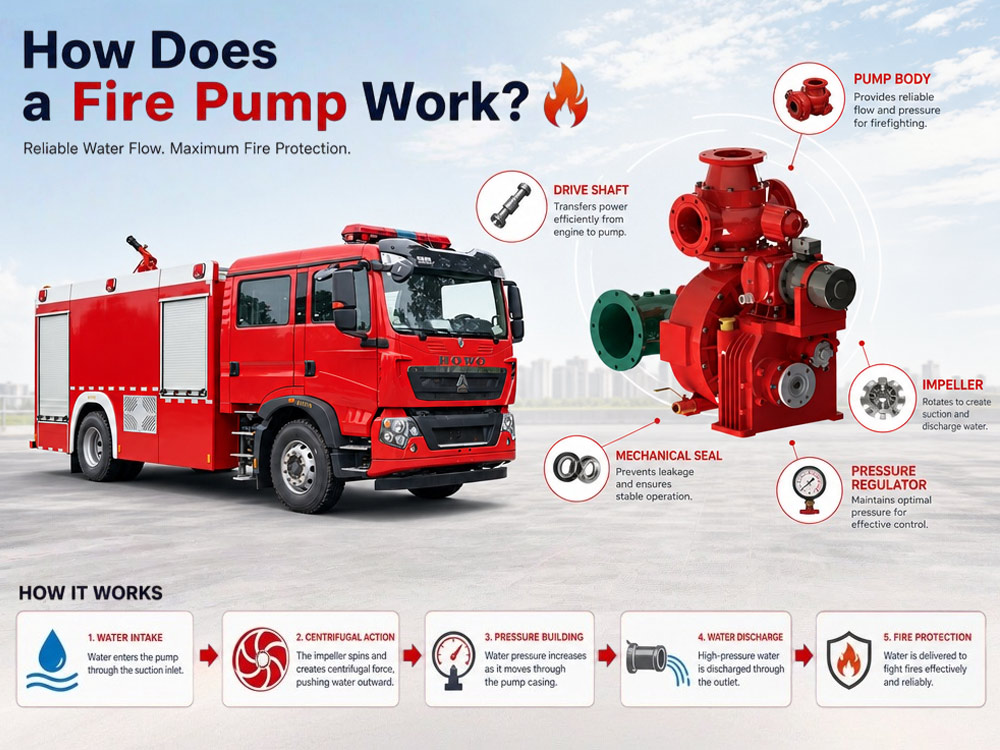
ปั๊มดับเพลิงคือหัวใจของระบบส่งน้ำของรถดับเพลิงทุกคัน ไม่ว่าจะเป็นการตอบสนองต่อเหตุเพลิงไหม้อาคาร เหตุฉุกเฉินในภาคอุตสาหกรรม เหตุการณ์ที่สนามบิน หรือการปฏิบัติการในพื้นที่ป่า ปั๊มดับเพลิงบน รถดับเพลิง มีหน้าที่ส่งน้ำแรงดันสูงไปยังสายฉีดน้ำ หัวฉีดน้ำดับเพลิง และระบบโฟมการออกแบบใบพัดแบบแรงเหวี่ยงและระบบขับเคลื่อนด้วย PTO ช่วยให้มั่นใจได้ถึงแรงดันที่คงที่และอัตราการไหลสูง เพิ่มประสิทธิภาพการดับเพลิงโดยตรงมากกว่า 40% พร้อมลดเวลาตอบสนองลง 3 เท่า สามารถเรียกได้ว่าเป็นผู้พิทักษ์ที่มองไม่เห็นของการปฏิบัติการดับเพลิง และเป็นรากฐานทางเทคนิคของการตอบสนองเหตุฉุกเฉินสมัยใหม่ เรียนรู้วิธีการทำงานของปั๊มดับเพลิง รวมถึงหลักการทำงาน ส่วนประกอบหลัก กระบวนการไหลของน้ำ การสร้างแรงดัน และการใช้งาน ค้นพบว่าปั๊มรถดับเพลิงสามารถส่งน้ำที่เชื่อถือได้สำหรับการดับเพลิงได้อย่างไร และวิธีเลือกปั๊มที่เหมาะสมสำหรับรถดับเพลิงของคุณมาเรียนรู้เกี่ยวกับเรื่องนี้กันวันนี้ » I. ขั้นแรก เราจำเป็นต้องรู้ส่วนประกอบสำคัญสามส่วนของระบบปั๊มดับเพลิง: 1. ใบพัด: ส่วนประกอบที่หมุนซึ่งดูดน้ำเข้าและเหวี่ยงน้ำออกด้วยแรงเหวี่ยง โดยทั่วไปผลิตจากบรอนซ์ สเตนเลส หรือเหล็กหล่อ 2. ตัวเรือนปั๊ม: ตัวโครงที่บรรจุใบพัดและควบคุมทิศทางการไหลของน้ำ ออกแบบมาเพื่อเปลี่ยนความเร็วให้เป็นแรงดัน 3. ระบบถ่ายกำลัง (PTO): การเชื่อมต่อทางกลที่ถ่ายโอนกำลังเครื่องยนต์จากระบบส่งกำลังของรถไปยังปั๊มดับเพลิง » II. หลังจากทราบส่วนประกอบสำคัญแล้ว หลักการทำงานพื้นฐานของปั๊มดับเพลิงมีดังนี้: 1. กำลังถูกส่งผ่านจากเครื่องยนต์ผ่าน PTO เครื่องยนต์ของรถขับเคลื่อน PTO ซึ่งเชื่อมต่อกับเพลาปั๊ม เมื่อผู้ปฏิบัติงานเปิดใช้งาน PTO กำลังจากเครื่องยนต์จะถูกส่งต่อเพื่อหมุนใบพัดปั๊มด้วยความเร็วสูง 2. ใบพัดเริ่มหมุน ใบพัดหมุนที่ความเร็ว 1,500–2,500 RPM ดูดน้ำเข้าสู่ปั๊มผ่านช่องดูด ใบพัดที่หมุนสร้างบริเวณแรงดันต่ำที่จุดศูนย์กลาง ทำให้น้ำถูกดูดเข้ามาจากถังน้ำบนรถ หัวจ่ายน้ำดับเพลิง หรือแหล่งน้ำธรรมชาติ 3. แรงเหวี่ยงเพิ่มแรงดันน้ำ ขณะที่ใบพัดหมุน มันจะเหวี่ยงน้ำออกด้านนอกด้วยแรงเหวี่ยง ความเร็วของน้ำจะเพิ่มขึ้นเมื่อเคลื่อนจากจุดศูนย์กลางไปยังขอบนอกของใบพัด จากนั้นตัวเรือนปั๊มจะเปลี่ยนความเร็วนี้เป็นแรงดัน บังคับให้น้ำแรงดันสูงออกผ่านช่องจ่ายน้ำ 4. น้ำแรงดันสูงออกจากช่องจ่ายน้ำ น้ำที่มีแรงดัน (โดยทั่วไป 0.8–1.2 MPa) จะออกผ่านช่องจ่ายน้ำและถูกส่งไปยังสายฉีดน้ำดับเพลิง หัวฉีดน้ำดับเพลิง หรือระบบผสมสัดส่วนโฟมสำหรับการปฏิบัติการดับเพลิง » III. ปั๊มดับเพลิงรับน้ำมาจากที่ใด? ปั๊มดับเพลิงสามารถดูดน้ำจากสามแหล่ง: ถังน้ำบนรถ: แหล่งน้ำหลักสำหรับการเข้าควบคุมเหตุระยะแรก ความจุทั่วไป: 2,000–12,000 ลิตร ให้แหล่งน้ำทันทีเมื่อเดินทางถึงที่เกิดเหตุ หัวจ่ายน้ำดับเพลิง: เชื่อมต่อผ่านสายส่งน้ำ ให้การจ่ายน้ำอย่างต่อเนื่องสำหรับการปฏิบัติการระยะยาว แรงดันจากหัวจ่ายน้ำช่วยให้ปั๊มรักษาอัตราการไหล แหล่งน้ำธรรมชาติ (การดูดน้ำจากแหล่งน้ำ): ทะเลสาบ แม่น้ำ สระน้ำ หรือสระว่ายน้ำ ปั๊มใช้ระบบไล่อากาศเพื่อกำจัดอากาศออกจากสายดูดก่อนการดูดน้ำ ระยะยกสูงสุดตามทฤษฎีที่ระดับน้ำทะเล: ประมาณ 10 เมตร (33 ฟุต) ความลึกการดูดน้ำที่มีประสิทธิภาพ: โดยทั่วไป 7–8 เมตร กระบวนการดูดน้ำจากแหล่งน้ำ: เชื่อมต่อสายดูดน้ำแบบแข็งเข้ากับช่องรับน้ำของปั๊ม จุ่มตะแกรงกรองให้อยู่ต่ำกว่าผิวน้ำอย่างน้อย 2-3 ฟุต เปิดใช้งานระบบไล่อากาศเพื่อกำจัดอากาศออกจากสายและปั๊ม เกิดสุญญากาศ แรงดันบรรยากาศดันน้ำให้ไหลขึ้น น้ำเติ...
รายละเอียด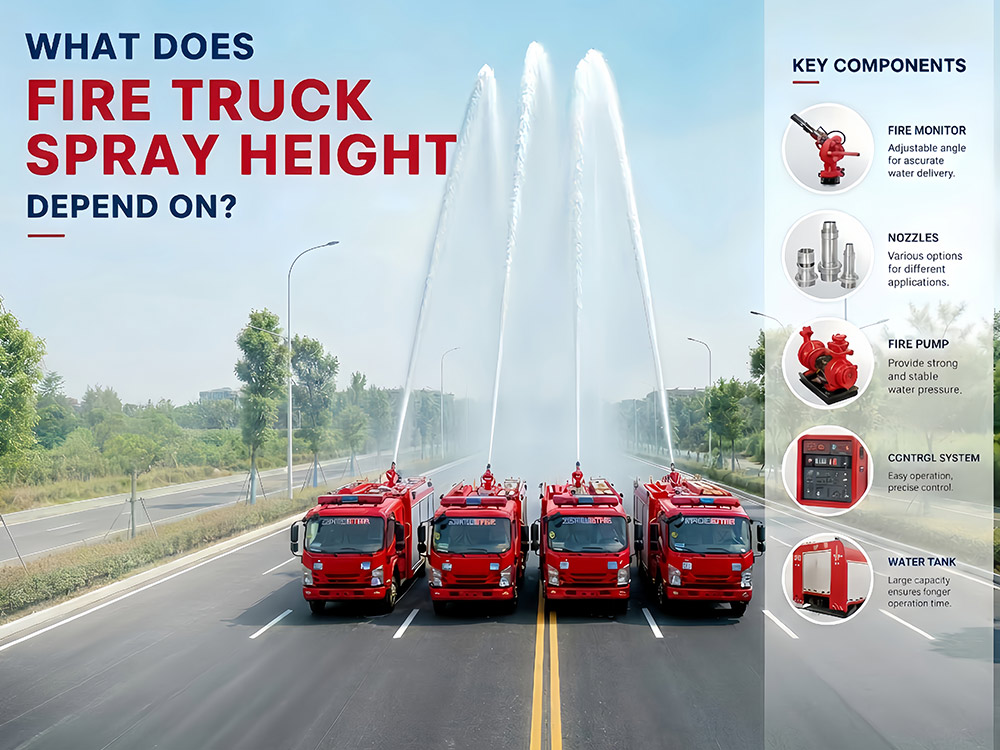
ระบบปั๊มและฉีดพ่นของรถดับเพลิงเป็นแกนหลักของการปฏิบัติการดับเพลิง ทำหน้าที่เป็น "แขนอันทรงพลัง" ของรถดับเพลิง โดยแปลงกำลังจากเครื่องยนต์เป็นแรงดัน (ตั้งแต่ 0.8 ถึง 1.4 MPa) และส่งสารดับเพลิงขึ้นไปได้สูงถึง 85 เมตร — ไม่ว่าจะเป็นเหตุเพลิงไหม้อาคารสูงในใจกลางเมืองที่หนาแน่น หรือเหตุเพลิงไหม้ถังเก็บสารปิโตรเคมีในเขตอุตสาหกรรม รถดับเพลิงพึ่งพาระบบนี้เพื่อให้สามารถควบคุมและดับเพลิงได้อย่างมีประสิทธิภาพ ปัจจัยใดบ้างที่ส่งผลต่อความสูงในการฉีดพ่นของรถดับเพลิง และแรงดันปั๊ม อัตราการไหล และหัวฉีดน้ำดับเพลิงทำงานร่วมกันอย่างไร? สิ่งเหล่านี้เป็นประเด็นที่ลูกค้าจำนวนมากให้ความสนใจ วันนี้เรามาเรียนรู้เกี่ยวกับเรื่องนี้กัน » I. ส่วนประกอบหลักสามประการที่กำหนดความสูงในการฉีดพ่น 1. ระบบปั๊มดับเพลิง: หัวใจของรถดับเพลิง ปั๊มหอยโข่งขับเคลื่อนด้วย PTO ระดับแรงดันที่ใช้ทั่วไป ได้แก่ 0.8 MPa, 1.0 MPa, 1.2 MPa, 1.4 MPa อัตราการไหลตั้งแต่ 2,000 ถึงมากกว่า 5,000 ลิตร/นาที 2. หัวฉีดน้ำดับเพลิง: ส่วนประกอบสุดท้ายก่อนที่สารดับเพลิงจะออกจากรถ มีทั้งหัวฉีดน้ำ หัวฉีดโฟม และหัวฉีดแบบสองวัตถุประสงค์ รุ่น PL-series (PL48) มีอัตราการไหลสูงสุด 4,000 ลิตร/นาที และความสูงในการฉีดพ่นมากกว่า 70 เมตร 3. ระบบส่งจ่าย: ท่อ ระบบสายยาง และหัวฉีดที่ลำเลียงสารดับเพลิงจากปั๊มไปยังหัวฉีด ขนาดเส้นผ่านศูนย์กลางของสายยาง ความยาว และประเภทของหัวฉีดล้วนส่งผลต่อความสูงในการฉีดพ่นสุดท้าย » II. ปัจจัยหลักที่กำหนดความสูงในการฉีดพ่น 1.1 แรงดันปั๊ม แรงดันปั๊มของรถดับเพลิงคือแรงที่สร้างโดยปั๊มดับเพลิงเพื่อดันสารดับเพลิงผ่านสายยางและปล่อยออกจากหัวฉีดหรือหัวฉีดน้ำดับเพลิง เป็นปัจจัยหลักที่กำหนดทั้งอัตราการไหลและระยะการฉีด แรงดันที่สูงขึ้นทำให้ความเร็วที่ทางออกของหัวฉีดเพิ่มขึ้น ส่งผลโดยตรงต่อความสูงในการฉีดพ่น ความสัมพันธ์นี้เป็นไปตามสูตร H ≈ P/(ρg) โดยแรงดันที่เพิ่มขึ้นทุก 0.1 MPa จะเพิ่มความสูงตามทฤษฎีประมาณ 10 เมตร — แต่การสูญเสียในสภาพการใช้งานจริงจะทำให้ค่าลดลง ในการปฏิบัติการดับเพลิงจริง ช่วงค่าต่อไปนี้มักถูกนำมาใช้: แรงดันปั๊ม ความสูงในการฉีดพ่นโดยทั่วไป 0.8 MPa 35–45 เมตร 1.0 MPa 45–55 เมตร 1.2 MPa 55–70 เมตร 1.4 MPa 70–85 เมตร 1.2 วิธีการทำงานของปั๊มดับเพลิง: โดยทั่วไปปั๊มเป็นปั๊มหอยโข่งที่ขับเคลื่อนด้วยเครื่องยนต์ของรถผ่านชุดถ่ายกำลัง (PTO) เมื่อใบพัดหมุน จะดูดสารดับเพลิงเข้าและเหวี่ยงออกด้วยแรงเหวี่ยง ทำให้เกิดแรงดันที่ผลักดันสารผ่านระบบจ่ายออก แรงดันพิกัดเทียบกับแรงดันใช้งาน: คำศัพท์ คำจำกัดความ แรงดันพิกัด แรงดันสูงสุดที่ปั๊มสามารถรองรับได้อย่างต่อเนื่องภายใต้เงื่อนไขการออกแบบ แรงดันใช้งาน แรงดันจริงที่ใช้ระหว่างการดับเพลิง โดยทั่วไปต่ำกว่าแรงดันพิกัดเพื่อให้มีค่าความปลอดภัย 2. อัตราการไหล (ลิตร/นาที) การมีอัตราการไหลที่เพียงพอมีความสำคัญเทียบเท่ากับแรงดัน แรงดันสูงแต่มีอัตราการไหลต่ำไม่สามารถส่งสารดับเพลิงได้เพียงพอสำหรับควบคุมเพลิง ระบบปั๊มต้องรักษาทั้งแรงดันและอัตราการไหลให้ทำงานพร้อมกัน ความสัมพันธ์ระหว่างอัตราการไหลกับความสูงในการฉีดพ่น: 2,000 ลิตร/นาที → มีประสิทธิภาพสำหรับเพลิงไหม้ในเขตเทศบาล 3,000 ลิตร/นาที → เหมาะสำหรับนิคมอุตสาหกรรม 4,000 ลิตร/นาที → จำเป็นสำหรับโรงงานปิโตรเคมี 5,000+ ลิตร/นาที → จำเป็นสำหรับการกู้ภัยอัคคีภัยในสนามบิน 3. การออกแบบหัวฉีดน้ำดับเพลิง เส้นทางการไหลภายในหัวฉีดน้ำดับเพลิง ขนาดเส้นผ่านศูนย์กลางทางออก และประเภท มีผลโดยตรงต่อความสูงของการพ่นน้ำ การเปรียบเทียบ...
รายละเอียด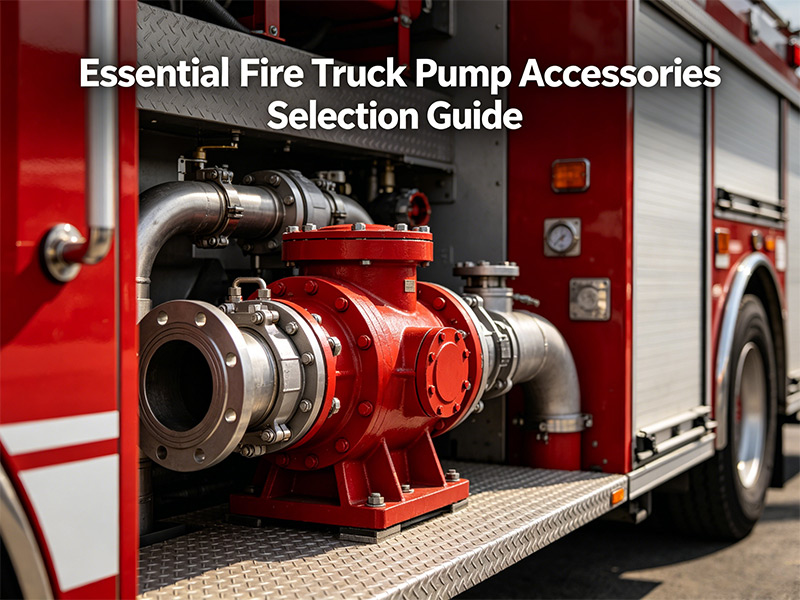
ระบบปั๊มรถดับเพลิงมีความน่าเชื่อถือได้เท่ากับส่วนประกอบของมันเท่านั้น ตั้งแต่การดูดน้ำจากแหล่งน้ำไปจนถึงการจ่ายน้ำด้วยแรงดันสูง อุปกรณ์เสริมทุกชิ้นล้วนมีบทบาทสำคัญ คู่มือนี้ครอบคลุมรถดับเพลิง หมวดหมู่อุปกรณ์เสริมหลัก 5 ประเภท ได้แก่ เครื่องไพรเมอร์ วาล์วบอล วาล์วโกลบ เครื่องผสมโฟม และระบบควบคุมไฮดรอลิก การทำความเข้าใจส่วนประกอบเหล่านี้ช่วยให้นักดับเพลิงบำรุงรักษาอุปกรณ์และเลือกอุปกรณ์เสริมที่เหมาะสมสำหรับการใช้งานเฉพาะด้าน I. ซีรีส์เครื่องไพรเมอร์ (อุปกรณ์สร้างสุญญากาศสำหรับไพรเมอร์) เครื่องไพรเมอร์เป็นอุปกรณ์สำคัญสำหรับการดูดน้ำจากทะเลสาบ แม่น้ำ หรือแหล่งน้ำคงที่อื่น ๆ เมื่อไม่มีหัวจ่ายน้ำ เครื่องนี้จะกำจัดอากาศออกจากปั๊มและท่อดูด ทำให้แรงดันบรรยากาศดันน้ำเข้าสู่ปั๊ม ภาพรวมผลิตภัณฑ์ ผลิตภัณฑ์ สุญญากาศสูงสุด แรงดันไฟฟ้า กำลังไฟ ขนาดปั๊มที่เหมาะสม เครื่องไพรเมอร์แบบ 2 ลูกสูบ >85kPa 24V - ต่ำกว่า 100 L/s เครื่องไพรเมอร์ไฟฟ้าแบบ 2 ลูกสูบ >85kPa 24V 2.1KW ต่ำกว่า 100 L/s เครื่องไพรเมอร์แบบ 4 ลูกสูบ >85kPa 24V - สูงกว่า 100 L/s เครื่องไพรเมอร์ไฟฟ้าแบบ 4 ลูกสูบ >85kPa 24V 2.1KW สูงกว่า 100 L/s คุณสมบัติหลัก: เครื่องไพรเมอร์ไฟฟ้า เครื่องไพรเมอร์ไฟฟ้ามีข้อได้เปรียบที่สำคัญ — สามารถทำไพรเมอร์ให้ปั๊มได้โดยที่ปั๊มไม่ต้องหมุน ซึ่งช่วยป้องกันความเสียหายจากการทำงานแบบแห้งของซีลเชิงกล เมื่อเครื่องไพรเมอร์มาตรฐานต้องอาศัยการหมุนของปั๊ม รุ่นไฟฟ้าสามารถทำงานได้อย่างอิสระ ช่วยยืดอายุการใช้งานของซีล II. ซีรีส์วาล์วบอล (การควบคุมการไหล) วาล์วบอลควบคุมการไหลของน้ำผ่านสายส่งน้ำและช่องทางจ่ายน้ำ วาล์วเหล่านี้ออกแบบมาเพื่อการเปิด/ปิดอย่างรวดเร็วด้วยการหมุนเพียง 90° วาล์วบอลสเตนเลสสตีล รุ่น วัสดุ แรงดันพิกัด เกลียว การทำงาน FQS65/2.5 ตัวเรือนและลูกบอล: สแตนเลส 304; ซีล: PTFE 2.5 MPa G2-1/2" มือหมุน / คันโยก FQS80/2.5 ตัวเรือนและลูกบอล: สแตนเลส 304; ซีล: PTFE 2.5 MPa G3" มือหมุน / คันโยก บอลวาล์วโลหะผสมอะลูมิเนียม (น้ำหนักเบากว่า) รุ่น วัสดุ แรงดันพิกัด เกลียว การทำงาน FQS65/2.5 ตัวเรือน: A356.2; ลูกบอล: 304; ซีล: PTFE 2.5 MPa G2.5" มือหมุน / คันโยก FQS80/1.6 ตัวเรือน: A356.2; ลูกบอล: 304; ซีล: PTFE 1.6 MPa G3" มือหมุน / คันโยก FQS65/2.5 แบบสี่เหลี่ยม ตัวเรือน: A356.2; ลูกบอล: 304; ซีล: PTFE 2.5 MPa - นิวแมติก / คันโยก Ⅲ. ซีรีส์โกลบวาล์ว (การควบคุมแรงดันและอัตราการไหล) แตกต่างจากบอลวาล์วที่ออกแบบมาสำหรับการเปิด/ปิด โกลบวาล์วช่วยให้สามารถควบคุมอัตราการไหลและแรงดันได้อย่างแม่นยำ เหมาะสำหรับสถานการณ์ที่ต้องการการปรับแบบค่อยเป็นค่อยไป รุ่น วัสดุ แรงดันพิกัด เกลียว การทำงาน DN65/2.5 ตัวเรือน: A356.2; ก้าน: H62; ซีล: NBR 2.5 MPa G2.5" มือหมุน DN80/2.5 ตัวเรือน: A356.2; ก้าน: H62; ซีล: NBR 2.5 MPa G3" มือหมุน เมื่อใดควรใช้วาล์วโกลบ ใช้วาล์วโกลบที่จุดทางจ่ายซึ่งต้องการการควบคุมแรงดันอย่างละเอียด เช่น เมื่อเติมถังของยานพาหนะอื่นหรือจ่ายไปยังสายท่อที่ต้องการแรงดันเฉพาะ IV. ซีรีส์เครื่องผสมโฟม (อุปกรณ์ผสมโฟม) เครื่องผสมโฟมจะผสมสารเข้มข้นโฟมกับน้ำในอัตราส่วนที่แม่นยำ ซึ่งเป็นสิ่งจำเป็นสำหรับการดับเพลิงประเภท B (ของเหลวไวไฟ) ที่น้ำเพียงอย่างเดียวไม่สามารถดับได้อย่างมีประสิทธิภาพ เครื่องผสมโฟมแบบแมนนวล / มาตรฐาน รุ่น วัสดุ แรงดันขาเข้า ช่วงอัตราการไหล อัตราส่วนการผสม PH32-64 ตัวเรือน: A356.2 0.6-1.4 MPa 4-64 L/s 6% PHZ100 ตัวเรือน: A356.2 1.0 MPa 60...
รายละเอียด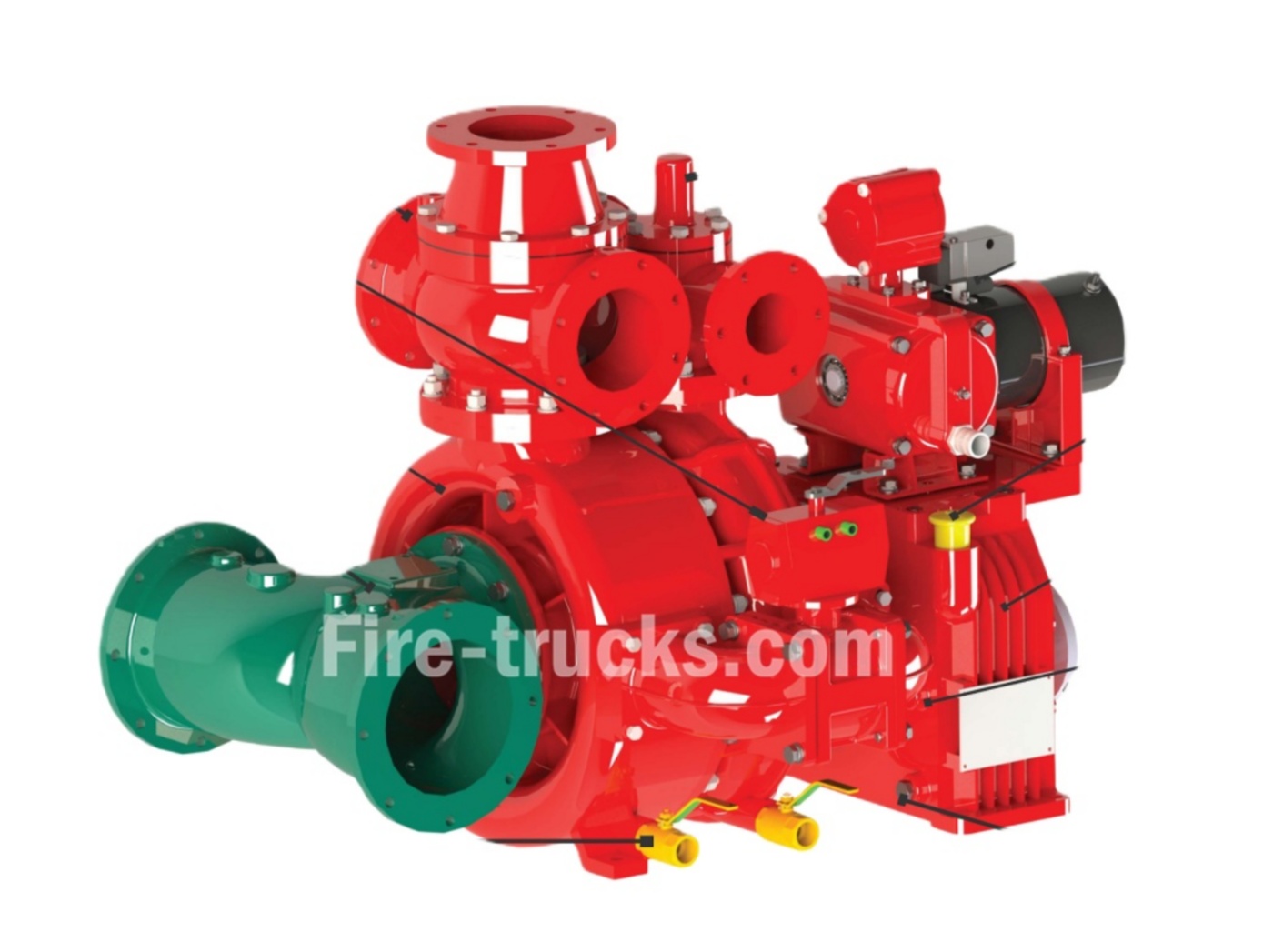
ในฐานะนักแสวงบุญมืออาชีพ ผู้ผลิตปั๊มดับเพลิง ในประเทศจีน รถบรรทุกพาวเวอร์สตาร์ บริษัทเป็นเจ้าของผลิตภัณฑ์ภายใต้แบรนด์ "Xiongzhen" ซึ่งประกอบด้วยปั๊มดับเพลิงแรงดันต่ำ ปั๊มดับเพลิงแรงดันปานกลาง และปั๊มดับเพลิงแรงดันสูง-ต่ำแบบติดตั้งบนรถยนต์ รวมถึงอุปกรณ์เสริม เช่น เครื่องฉีดน้ำดับเพลิงและเครื่องผสมโฟม ปั๊มดับเพลิงของบริษัทใช้วัสดุใหม่ เช่น โลหะผสมอลูมิเนียมและสแตนเลส และติดตั้งอุปกรณ์ปลดคลัตช์แม่เหล็กไฟฟ้าอัตโนมัติและวาล์วกันกลับ ทำให้มีประสิทธิภาพยอดเยี่ยม ใช้งานง่าย และบำรุงรักษาสะดวก ผลิตภัณฑ์ของบริษัทผ่านการทดสอบประเภทโดยศูนย์กำกับดูแลและตรวจสอบคุณภาพอุปกรณ์ดับเพลิงแห่งชาติ ได้รับการรับรอง CCC และได้รับการรับรองระบบการจัดการคุณภาพ ISO9001 ปั๊มดับเพลิง Xiongzhen ส่วนใหญ่ประกอบด้วยรุ่นต่อไปนี้: CB10/20-XZ ซีบี10/30-XZ , CB10/40-XZ, ซีบี10/60-XZ เช่น CB10/80-XZ, CB10/100-XZ, CB20.10/15.30-XZ, CB20.10/20.40-XZ, CB20.10/30.60-XZ เป็นต้น ปั๊มดับเพลิง CB10/20-XZ สำหรับรถดับเพลิง ปั๊มดับเพลิง CB10/30-XZ สำหรับรถดับเพลิง ปั๊มดับเพลิง รุ่น CB10/40-XZ สำหรับรถดับเพลิง ผลิตในประเทศจีน ปั๊มดับเพลิง รุ่น CB10-60 สำหรับรถดับเพลิง ปั๊มดับเพลิงฉุกเฉิน CB10/80-XZ สำหรับรถดับเพลิง ปั๊มดับเพลิง CB10/100-XZ สำหรับรถดับเพลิง ข้อมูลจำเพาะของระบบปั๊มดับเพลิง Xiongzhen รุ่น CB10/100-XZ ผู้ผลิตปั๊มดับเพลิงซีรีส์ CB ของ Xiongzhen ข้อมูลจำเพาะของชุดปั๊มดับเพลิง CB10/150 ระบบปั๊มดับเพลิง CB10/160-XZ โรงงานเซียงเจิ้น ข้อมูลจำเพาะของปั๊มดับเพลิงฉุกเฉิน CB10/170-XZ บริษัท Powerstar Trucks มีความสามารถทางเทคนิคที่แข็งแกร่ง โดยถือครองสิทธิบัตรถึงสี่ฉบับ และใช้เครื่องจักรการผลิตที่ทันสมัย เช่น การเขียนแบบ CAD และเครื่องมือเครื่องจักร CNC เพื่อให้มั่นใจได้ถึงอัตราคุณภาพผลิตภัณฑ์ที่สูงและความพึงพอใจของลูกค้า ผลิตภัณฑ์ของบริษัทมุ่งเป้าไปที่โรงงานดัดแปลงรถดับเพลิงและหน่วยดับเพลิงเป็นหลัก รายละเอียดและข้อมูลจำเพาะของปั๊มดับเพลิง CB20.10 20.40 ปั๊มดับเพลิง CB20.10 30.60-XZ จากโรงงาน Xiongzhen ปั๊มดับเพลิงรุ่น CB20/15-XZ ปั๊มดับเพลิงฉุกเฉินรุ่น CB20/20-XZ รายละเอียดการติดตั้งปั๊มดับเพลิง CB20 25 นี่คือตารางการบำรุงรักษาสำหรับ XIONGZHEN ของคุณ ปั๊มดับเพลิง โดยแบ่งตามสัปดาห์ เดือน ไตรมาส และปี เพื่อให้ง่ายต่อการค้นหา: 01. การตรวจสอบประจำวันของปั๊มดับเพลิง Powersar: ตรวจสอบแรงดันเริ่มต้น-หยุด และความถี่ของปั๊มรักษาเสถียรภาพแรงดัน ตรวจสอบกำลังไฟของแบตเตอรี่สตาร์ทของปั๊มดับเพลิงเครื่องยนต์ดีเซล ตรวจสอบสภาพของวาล์วควบคุมแหล่งจ่ายน้ำและชุดวาล์วเตือนภัยว่ามีรอยชำรุดเสียหายหรือไม่ 02. ปั๊มดับเพลิงพาวเวอร์ซาร์ การตรวจสอบประจำสัปดาห์: ทดสอบการทำงานของปั๊มดับเพลิงแบบสตาร์ทอัตโนมัติ ตรวจสอบระดับน้ำมันเชื้อเพลิงของปั๊มดับเพลิงเครื่องยนต์ดีเซล 03. ปั๊มดับเพลิงพาวเวอร์ซาร์ การตรวจสอบรายเดือน: ทดสอบการทำงานของมอเตอร์สตาร์ทด้วยมือ ปั๊มดับเพลิง และปั๊มดับเพลิงเครื่องยนต์ดีเซล ตรวจสอบระดับน้ำในถังเก็บน้ำดับเพลิงและถังเก็บน้ำดับเพลิงที่อยู่สูง ตรวจสอบแรงดันอากาศ ระดับน้ำ และปริมาตรใช้งานของถังแรงดัน ตรวจสอบความสมบูรณ์ของซีลและโซ่ของวาล์วควบคุมระบบทั้งหมด ตรวจสอบความแตกต่างของแรงดันของอุปกรณ์ป้องกันการไหลย้อนกลับ 04. ปั๊มดับเพลิงพาวเวอร์ซาร์ การตรวจสอบประจำไตรมาส: ตรวจสอบแรงดันและอัตราการไหลของระบบประปาของเทศบาล ตรวจสอบสถานะการเปิดของวาล์วควบคุมในบ่อวาล์วภายนอกอาคาร ตรวจสอบลักษณะภายนอกและการรั่วซึมของหัวจ่า...
รายละเอียด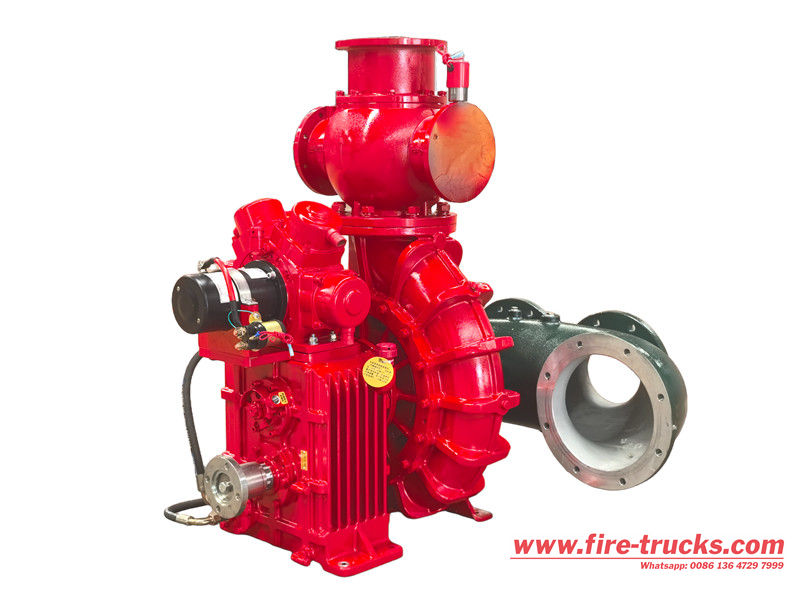
ปั๊มดับเพลิงโฟม CB10/140 เป็นระบบจ่ายน้ำดับเพลิงแบบติดตั้งบนรถยนต์หรือแบบอยู่กับที่ที่ใช้กันทั่วไป มีแรงดันใช้งาน 1.0 MPa และอัตราการไหลใช้งาน 140 ลิตร/วินาที ตอบสนองความต้องการน้ำหลักของระบบดับเพลิง ตัวปั๊มและใบพัดผลิตจากวัสดุคุณภาพสูง ทนทานต่อการสึกหรอ ทนต่อการกัดกร่อน และทนต่อแรงดันสูง เครื่องนี้มีดีไซน์แบบสองทางเข้าเพื่อการสลับแหล่งน้ำอย่างรวดเร็ว และขับเคลื่อนด้วยมอเตอร์ประสิทธิภาพสูงหรือเครื่องยนต์ดีเซล ทำให้สามารถสตาร์ทเครื่องได้ภายใน 30 วินาทีหรือน้อยกว่านั้น ด้วยดีไซน์ที่กะทัดรัด บำรุงรักษาง่าย และการทำงานที่เชื่อถือได้ ปั๊มดับเพลิงโฟม CB10/140 เป็นอุปกรณ์ที่สำคัญอย่างยิ่งในการรับประกันการจ่ายน้ำอย่างมีประสิทธิภาพสำหรับการดับเพลิง ปั๊มดับเพลิงแบบติดตั้งบนรถบรรทุกแรงดันต่ำ CB10/140-XZ มีโครงสร้างแบบแรงเหวี่ยงขั้นตอนเดียว ตัวเรือนปั๊มทำจากโลหะผสมอลูมิเนียม และใบพัดทำจากทองเหลือง ใช้ระบบดูดน้ำแบบลูกสูบสี่ตัวด้วยไฟฟ้า พร้อมสวิตช์ไฟฟ้า ส่วนปั๊มโฟม CB10/20 (อุปกรณ์เสริม) ใช้กลไกการแยกแบบนิวแมติก ผลิตภัณฑ์นี้มีประสิทธิภาพยอดเยี่ยม โครงสร้างกะทัดรัด ใช้งานง่าย และบำรุงรักษาง่าย ปั๊มดับเพลิง CB10/140-XZ เป็นปั๊มน้ำแบบแรงเหวี่ยงขั้นเดียวที่ใช้ในรถดับเพลิง มีลักษณะเด่นคืออุปกรณ์ล่อปั๊มแบบลูกสูบสองตัวที่ทำงานและหยุดทำงานโดยอัตโนมัติ ออกแบบมาเพื่อประสิทธิภาพสูงด้วยโครงสร้างที่กะทัดรัด ใช้งานง่าย และบำรุงรักษาสะดวก ข้อมูลจำเพาะที่สำคัญ ได้แก่ อัตราการไหล 140 ลิตร/วินาที และแรงดันขาออก 1.0 เมกะปาสคาล ที่ความเร็วรอบ 2600 รอบ/นาที - - หลักการทำงานของปั๊มดับเพลิงโฟม CB10/140 ● ปริมาณการรับประทานน้ำและสารเข้มข้นสำหรับทำโฟม: น้ำจะถูกดึงมาจากแหล่งจ่ายน้ำ และสารเพิ่มปริมาณโฟมจะถูกดึงมาจากถังเก็บ ● การกำหนดสัดส่วน: เครื่องผสมจะผสมสารเข้มข้นสำหรับทำโฟมกับน้ำในอัตราส่วนที่กำหนดไว้ล่วงหน้า ● การเพิ่มแรงดัน: ปั๊มจะเพิ่มแรงดันให้กับส่วนผสม ทำให้ความเร็วและแรงดันของส่วนผสมเพิ่มขึ้น ● การจำหน่ายผู้ป่วย: สารละลายโฟมแรงดันสูงจะถูกดันผ่านท่อส่งไปยังหัวฉีด จากนั้นจึงฉีดพ่นไปยังจุดที่เกิดเพลิงไหม้ ● การดับเพลิง: โฟมจะปกคลุมแหล่งเชื้อเพลิง แยกเชื้อเพลิงออกจากออกซิเจน และดับไฟในที่สุด - - รายละเอียดเกี่ยวกับปั๊มดับเพลิงโฟมรุ่น CB10/140 1. การออกแบบโครงสร้างที่เหนือกว่า ประสิทธิภาพการทำงานที่เสถียรและเชื่อถือได้: ● เดอะ ปั๊มดับเพลิง CB10/140 มีคุณสมบัติเด่นคือการออกแบบแบบแรงเหวี่ยงขั้นตอนเดียว และผลิตจากโลหะผสมอะลูมิเนียมความแข็งแรงสูง ซึ่งมีข้อดีหลายประการ เช่น น้ำหนักเบา ทนต่อการกัดกร่อน และทนต่ออุณหภูมิสูง ● โครงสร้างภายในของปั๊มได้รับการผลิตด้วยความแม่นยำสูง ทำให้มั่นใจได้ถึงการไหลที่ราบรื่นและประสิทธิภาพทางไฮดรอลิกที่ยอดเยี่ยม ซีลเชิงกลช่วยป้องกันการรั่วไหลและรับประกันความน่าเชื่อถือในการใช้งานในระยะยาว ● ปั๊มดับเพลิงรุ่นนี้มีกำลังดูดและส่งน้ำสูง ทำให้เหมาะสำหรับรถดับเพลิงขนาดกลางและขนาดใหญ่ รวมถึงอุปกรณ์ดับเพลิงฉุกเฉินหลากหลายประเภท 2. ใช้งานง่ายและปรับตัวได้สูง: ♦ ปั๊มดับเพลิงโฟม CB10/140 สามารถเชื่อมต่อโดยตรงกับเครื่องยนต์ผ่านระบบส่งกำลัง (PTO) ทำให้สามารถเริ่มและหยุดการทำงานได้อย่างยืดหยุ่น และตอบสนองได้อย่างรวดเร็ว ♦ ปั๊มรุ่นนี้มีประสิทธิภาพในการดูดน้ำเองได้ดีเยี่ยม ช่วยให้การดูดน้ำเพื่อเติมน้ำทำได้อย่างรวดเร็ว และสามารถปรับใช้ได้กับแหล่งน้ำหลากหลายประเภท รวมถึงแม่น้ำ บ่อ และน้ำบาดาล ♦ ระบบควบคุมที่ใช้งานง่าย มอบการทำงานที่เรียบง่ายและเชื่อถือได้ ช่วยให้สามารถใช้งา...
รายละเอียด
โปรดอ่านต่อ ติดตามข่าวสาร สมัครรับข้อมูล และเรายินดีรับฟังความคิดเห็นของคุณ

 รองรับเครือข่าย IPv6

 ไทย
ไทย English
 français
 Deutsch
 русский
 italiano
 español
 português
 Nederlands
 العربية
 日本語
日本語 한국의
한국의 Türkçe
 Melayu
 Tiếng Việt
 Indonesia
  中文
中文 қазақ
қазақ Filipino
 မြန်မာ
 српски